 Go Back

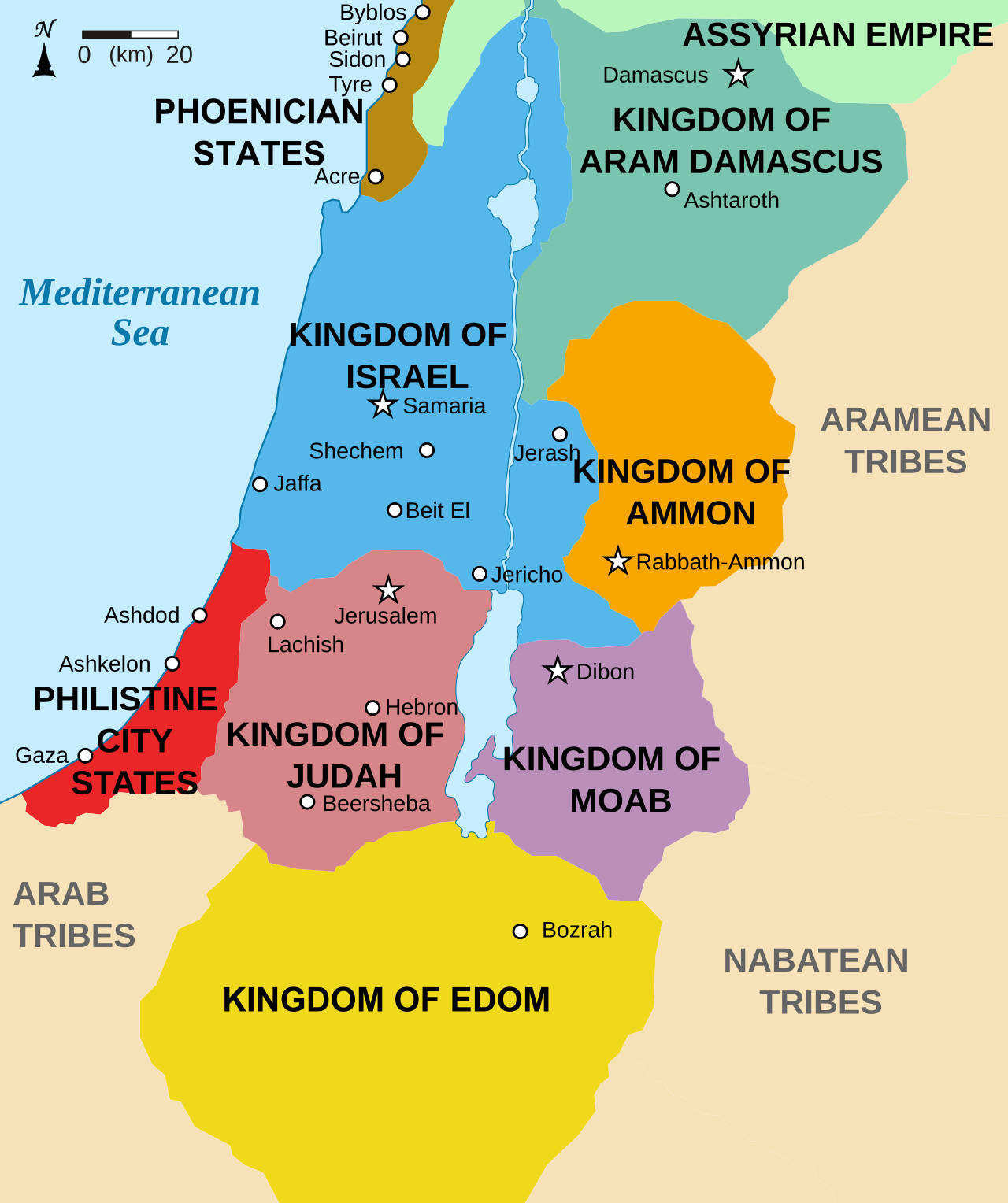
Ammon, Edom, and Moab. Often overshadowed by massive superpowers like the Neo-Assyrian and Neo-Babylonian empires, Ammon, Edom, and Moab were three neighboring kingdoms that flourished in the region of modern day Jordan between 1000 BCE and 582 BCE. They were deeply integrated into the broader Canaanite cultural sphere and worshipped a similar pantheon of deities as the neighboring Phoenicians. These kingdoms thrived by controlling lucrative trade routes cutting through the harsh desert landscape. Despite their economic success, they maintained highly volatile relationships with their neighbors, particularly the kingdoms of Judea and Samaria, resulting in frequent and bloody border conflicts.
Like most small states in the ancient Levant, their independence was entirely dependent on the shifting power dynamics of larger empires. They eventually fell under the heavy tribute demands of the expanding Assyrian war machine. When the Babylonians later took control of the region, these kingdoms participated in various doomed regional rebellions. By the 6th century BCE, devastating Babylonian military campaigns completely dismantled their political structures, leaving the region open to nomadic incursions and ending their existence as distinct sovereign states.