 Go Back

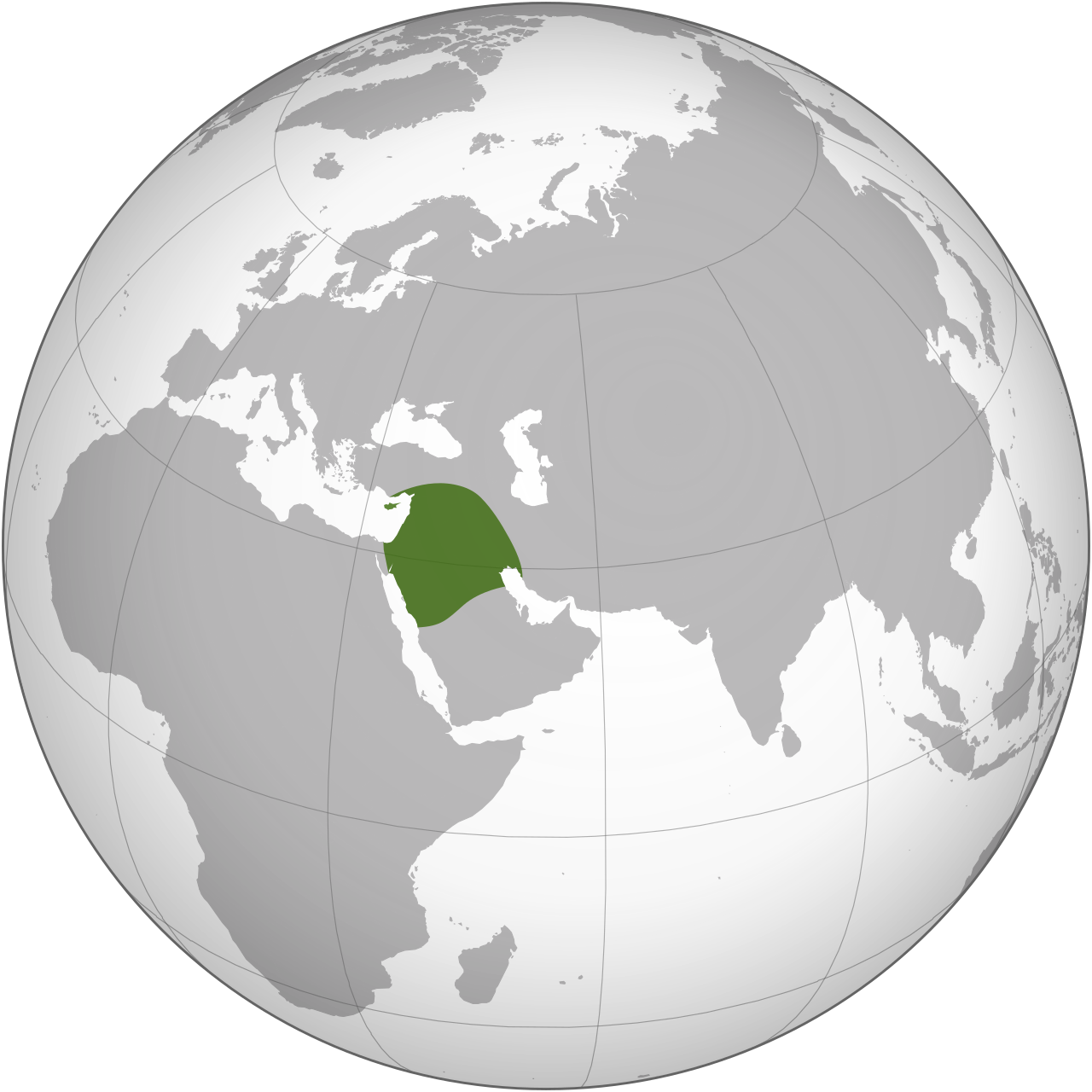
Babylon was an ancient cultural and political powerhouse on the Euphrates in modern Iraq, famously rising to prominence twice. Long a small but profitable river port under an Amorite dynasty from around 1894 BCE, its first peak came under Hammurabi (reign 1792-1750 BCE), who quietly built and trained an army, seized Isin and Uruk from his overlords in Larsa, and by 1755 BCE had united all of Mesopotamia. Babylon was by then the largest city in the world, with a population estimated at over 200,000, and so famous that all of southern Mesopotamia came to be called Babylonia. His Code of around 1772 BCE is one of the earliest law codes in the world, and he paired it with heightened walls, temples, and canals.
After Hammurabi's death his empire fell apart: the Hittites sacked Babylon in 1595 BCE, and the Kassites ruled Babylonia for over four centuries. The great ziggurat Etemenanki, begun sometime between the 14th and 9th centuries BCE, was later associated with the biblical Tower of Babel through a misreading of the Akkadian bav-il, Gate of the Gods, as the Hebrew bavel, confusion. When Babylon kept revolting under Assyrian rule, King Sennacherib had it razed in 689 BCE, an act seen as so impious that his own sons assassinated him; his successor Esarhaddon rebuilt the city.
After the Assyrian Empire fell, the Chaldean king Nabopolassar founded the Neo-Babylonian Empire in 626 BCE. His son Nebuchadnezzar II (605/604-562 BCE) renovated Babylon until it covered some 900 hectares, captured Jerusalem in 597 BCE, and began the Babylonian captivity of the Jews. His building program gave the city its famous image: the immense walls and the Ishtar Gate around 575 BCE, the completed Etemenanki, and, according to later Greek writers, the Hanging Gardens, though recent scholarship argues those were actually Sennacherib's gardens at Nineveh, since no trace of them has been found at Babylon.
The glory was spectacular but brief. In 539 BCE Cyrus the Great defeated the Babylonian army at Opis, and the Persians entered the impregnable city after diverting the Euphrates to a manageable depth. Under Persian rule Babylon flourished as a center of art and education, its mathematics and astronomy so respected that Thales of Miletus is thought to have studied there and Pythagoras to have drawn his theorem from a Babylonian model. The city passed to Alexander the Great in 331 BCE and remained a trade center under later empires, but never regained the heights it had known under Hammurabi or Nebuchadnezzar II.
 Britannica: Neo-Babylonian empire
 World History Encyclopedia: Babylon: The Gate of the Gods
 Humanities LibreTexts: 2.6: The Neo-Babylonians and Persians
 Livius: Babylonian Empire - Livius