 Go Back

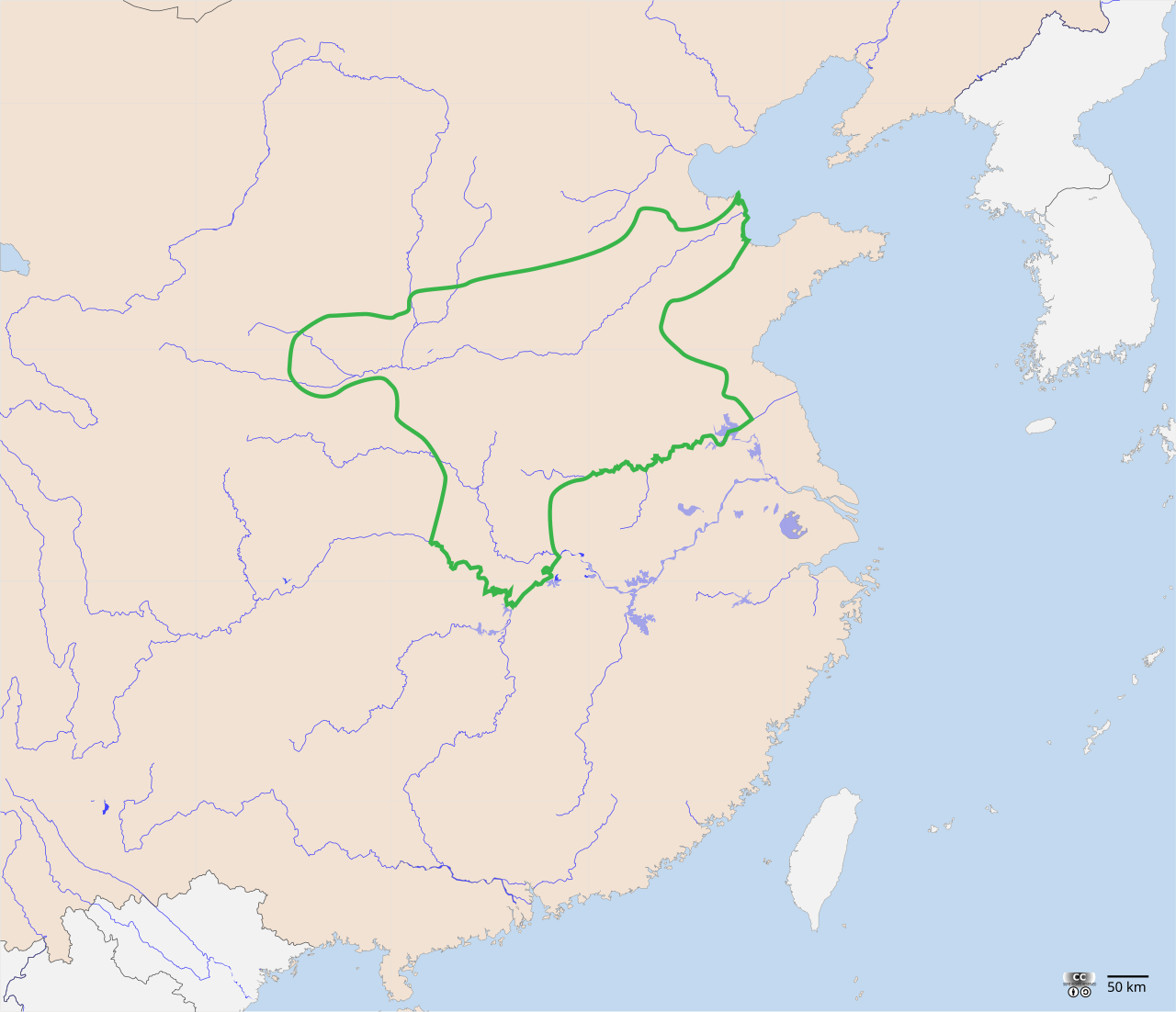
Shang Dynasty. The Shang dynasty (c. 1600-1046 BCE) ruled the Yellow River valley as Bronze Age China's first confirmed historical dynasty - the earliest line of Chinese kings we can name, date, and verify, because they left us their own words. Where the Xia survives only in later tradition, the Shang survives in bronze, bone, and earth: the oracle bone inscriptions, the oldest Chinese writing, record the divinations of kings whom Sima Qian's much later king list names almost exactly, proving the ancient historians right.
The dynasty's heartland was the middle Yellow River, its capitals shifting until King Pan Geng settled at Yin, near modern Anyang - the 'Yinxu' site that gave the dynasty its other name. Excavations there have revealed eleven royal tombs, palace foundations, and tens of thousands of bronzes, jades, and bones. They also reveal the dynasty's grim grandeur: the Shang kings practiced divination by heating turtle shells and ox shoulder blades until they cracked, reading the cracks as answers from the ancestors, and inscribing the questions - about harvests, battles, illness, rainfall - that give us our first Chinese texts. Royal funerals were accompanied by human sacrifice on a massive scale.
Shang kingship was a theocracy of ancestor worship: the king was the essential intermediary between the living and the royal ancestors, whose favor determined the fate of the harvest and the state. The dynasty reached its height under King Wu Ding (c. 1250-1191 BCE), whose consort Fu Hao - general, landowner, and high priestess - is the earliest Chinese woman whose life we can trace, her intact tomb filled with hundreds of bronzes and jades. Shang bronze-casting, the ritual vessels with their staring taotie masks, remains among the supreme achievements of the ancient world.
The end, as tradition tells it, matched the pattern the Xia had set: the last king, Di Xin, was a brilliant but depraved tyrant whose excesses forfeited the Mandate of Heaven, and the rising Zhou people destroyed his army at the Battle of Muye around 1046 BCE. But the Shang's legacy is the foundation of Chinese civilization itself: writing, dynastic kingship, bronze ritual, and ancestor worship all descend from them. Every later Chinese dynasty stood on ground the Shang had laid.
 Britannica: Shang dynasty
 World History Encyclopedia: Shang Dynasty
 Humanities LibreTexts: 5.12: Introduction to the Shang Dynasty
 Smarthistory: Shang dynasty (c. 1600–1050 B.C.E.), an introduction