 Go Back

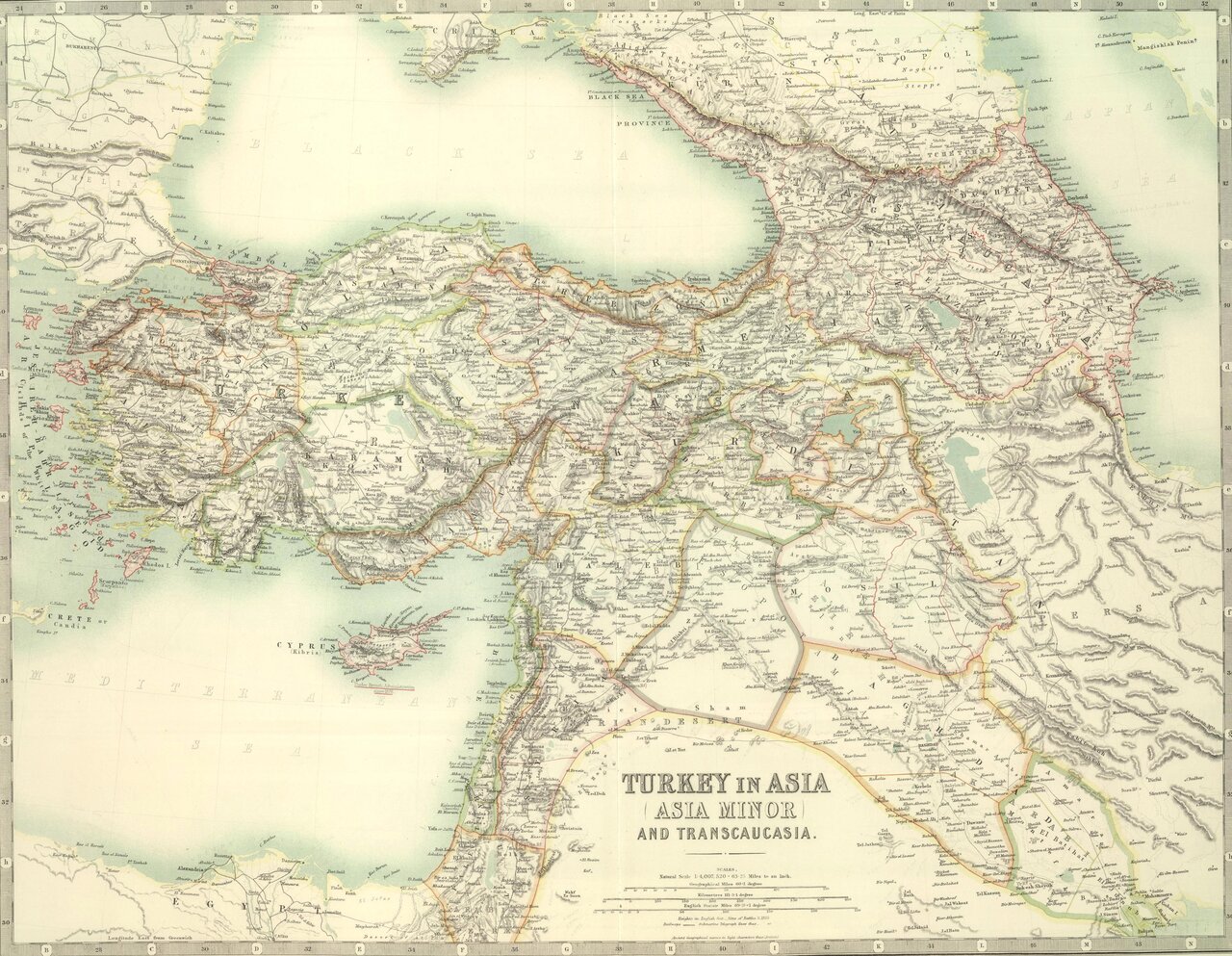
The Hattians. The Hattians were the earliest known civilization of central Anatolia (modern Turkey), flourishing in the 3rd millennium BCE before the arrival of the Indo-European Hittites who later took their land and their name. They spoke Hattic, a language unrelated to any known family, and their network of fortified cities - Hattusa, Alaca Hoyuk, Kanesh and others - ruled the Anatolian plateau at the dawn of the Bronze Age.
Everything known of the Hattians comes from archaeology and from the records of their neighbors. The royal tombs of Alaca Hoyuk (c. 2500-2300 BCE), with their gold and bronze standards of stags and bulls, sun-disc ornaments and rich metalwork, reveal a wealthy aristocratic society already trading across the Near East. Around 1900 BCE Assyrian merchants planted a trading colony (karum) at Kanesh, and its thousands of cuneiform tablets - the oldest written documents from Anatolia - show Hattian cities as partners and rivals in the international metals trade.
From around 2000-1700 BCE Indo-European speakers - the Hittites - moved into the plateau, absorbing Hattian cities and culture. Hattusa became the Hittite capital; the early Hittite king even took the throne name Hattusili, 'man of Hattusa'. The Hattic language died out as a living tongue but survived for centuries in Hittite temples as a sacred ceremonial language, and Hattian gods - above all the sun goddess of Arinna, the Hittites' chief deity - formed the core of the later Hittite pantheon.
The Hattians' memory was so thoroughly absorbed by their successors that they were forgotten until modern archaeology uncovered Alaca Hoyuk and the Hittite archives distinguished the older 'Hattic' layer beneath. They stand as the first chapter of Anatolia's long history, the foundation on which the Hittite Empire - and through it the history of the Near East - was built.
 Britannica: Hattian language
 World History Encyclopedia: Hatti