 Go Back

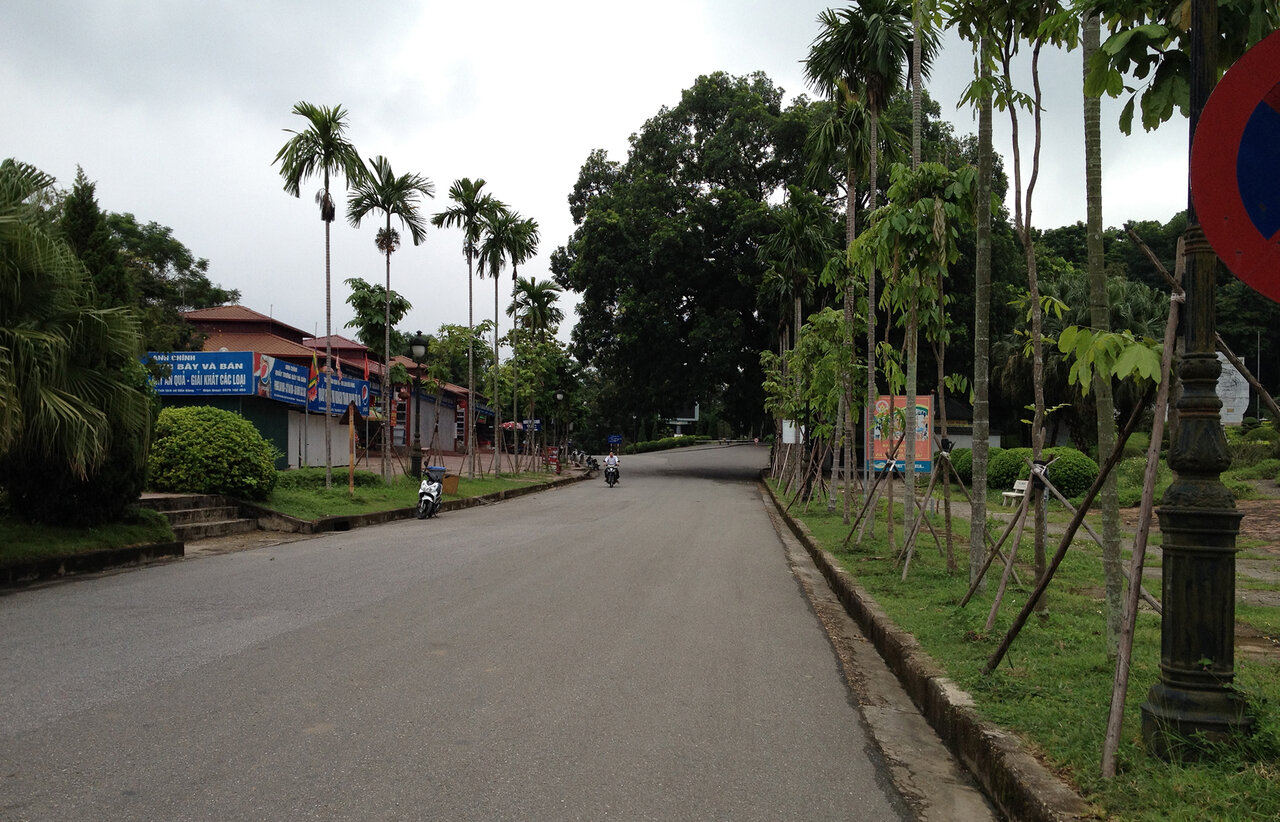
The Hung Kings and Van Lang. The Hung Kings (Vua Hung) are the legendary founders of Vietnam: eighteen rulers of the Hong Bang dynasty said to have reigned over Van Lang, a kingdom of the Lac Viet people in the Red River delta of northern Vietnam, from the mythical date of 2879 BCE until 258 BCE. Though the traditional chronology belongs to legend rather than documented history, the Hung Kings stand at the head of the Vietnamese national story - every later dynasty claimed descent from them, and their commemoration is a national holiday in Vietnam today.
Behind the legends lies a real Bronze Age world. Van Lang, organized into districts and led by military chiefs and scholars under the Hung king, coincides in time and place with the Dong Son culture (c. 1000 BCE-1st century CE), famous for its magnificent bronze drums decorated with boats, warriors and festivals - the finest bronze tradition of ancient Southeast Asia. Dong Son society was a rice-growing, riverine civilization in regular contact with the Dong Dau and Go Mun cultures and with the expanding Chinese world to the north.
In 258 BCE Van Lang was taken over by Thuc Phan (An Duong Vuong), a neighboring ruler who merged it with his own land of Au Lac and built the great spiral citadel of Co Loa near modern Hanoi - the largest prehistoric fortress of Southeast Asia. His kingdom soon fell to the Zhao general Zhao Tuo's Nanyue, and in 111 BCE the armies of Han China conquered the region outright, beginning a thousand years of Chinese rule.
The Hung Kings' significance is national rather than documentary: as the mythic first state of the Vietnamese, Van Lang gave Vietnam a founding story distinct from China's, and the cult of the Hung Kings at their temple in Phu Tho remains a living symbol of Vietnamese identity.
 Britannica: history of Vietnam
 Humanities LibreTexts: 4.4: Dong Son, Sa Huynh, and Oc Eo Cultures (1000 BCE - 100 BCE)