 Go Back

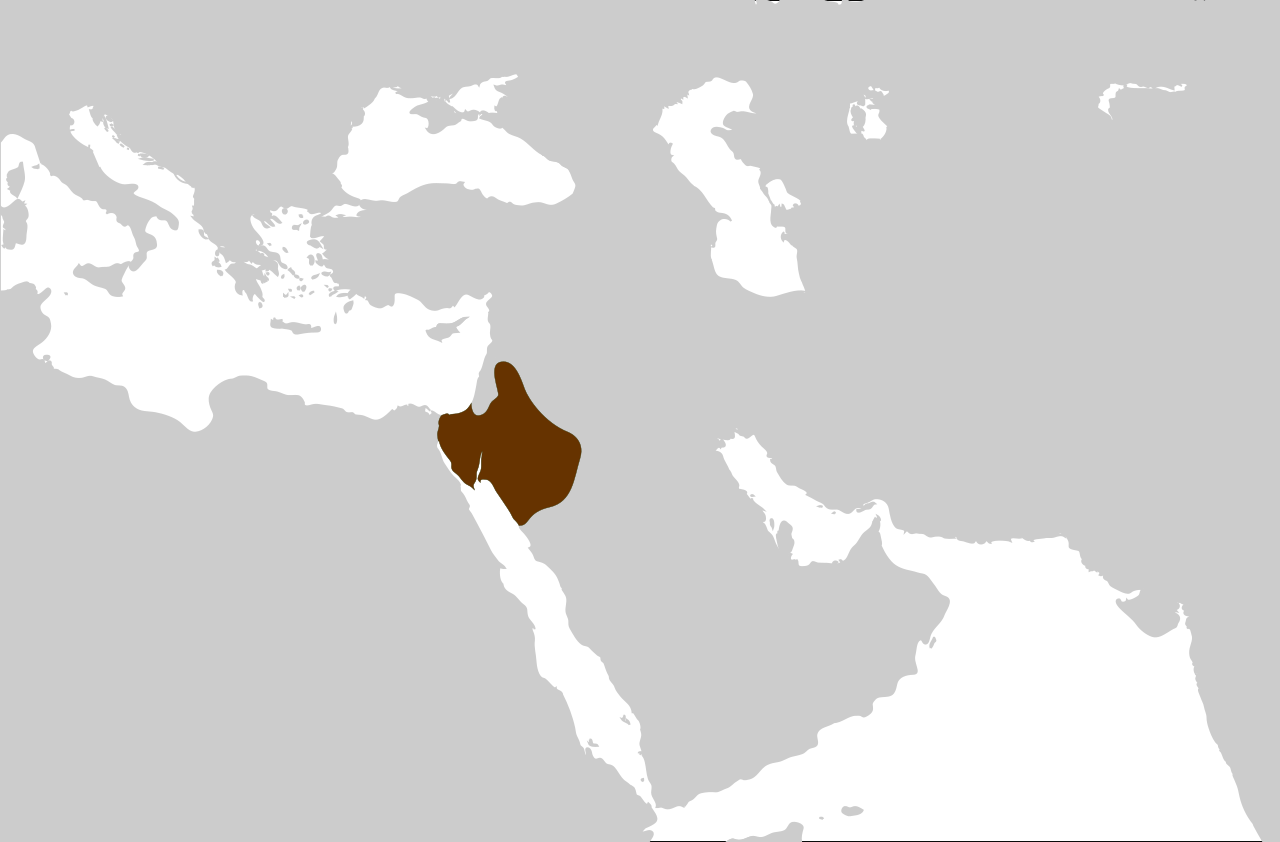
The Nabataean Kingdom. The Nabataean Kingdom was an incredibly wealthy Arab state that thrived in the harsh desert environments of modern day Jordan, Israel, and Saudi Arabia from the 4th century BCE to 106 CE. Their magnificent capital city of Petra was famously carved directly into the sheer red sandstone cliffs of the region. The Nabataeans are historically crucial because they entirely monopolized the highly lucrative incense trade routes, transporting frankincense and myrrh from southern Arabia to the Mediterranean coast. They were also masterful water engineers, developing complex systems of dams, cisterns, and aqueducts that allowed them to build thriving urban centers in bone dry deserts.
Their immense wealth and strategic location eventually attracted the unwanted attention of the expanding Roman Republic and later the Roman Empire. The Nabataeans managed to maintain their independence for a remarkably long time by acting as a highly useful client state to Rome, frequently providing auxiliary troops for Roman military campaigns. However, their independence quietly ended in 106 CE when the Roman Emperor Trajan peacefully annexed the kingdom. The territory was seamlessly integrated into the Roman province of Arabia Petraea, bringing an end to Nabataean sovereignty.