 Go Back

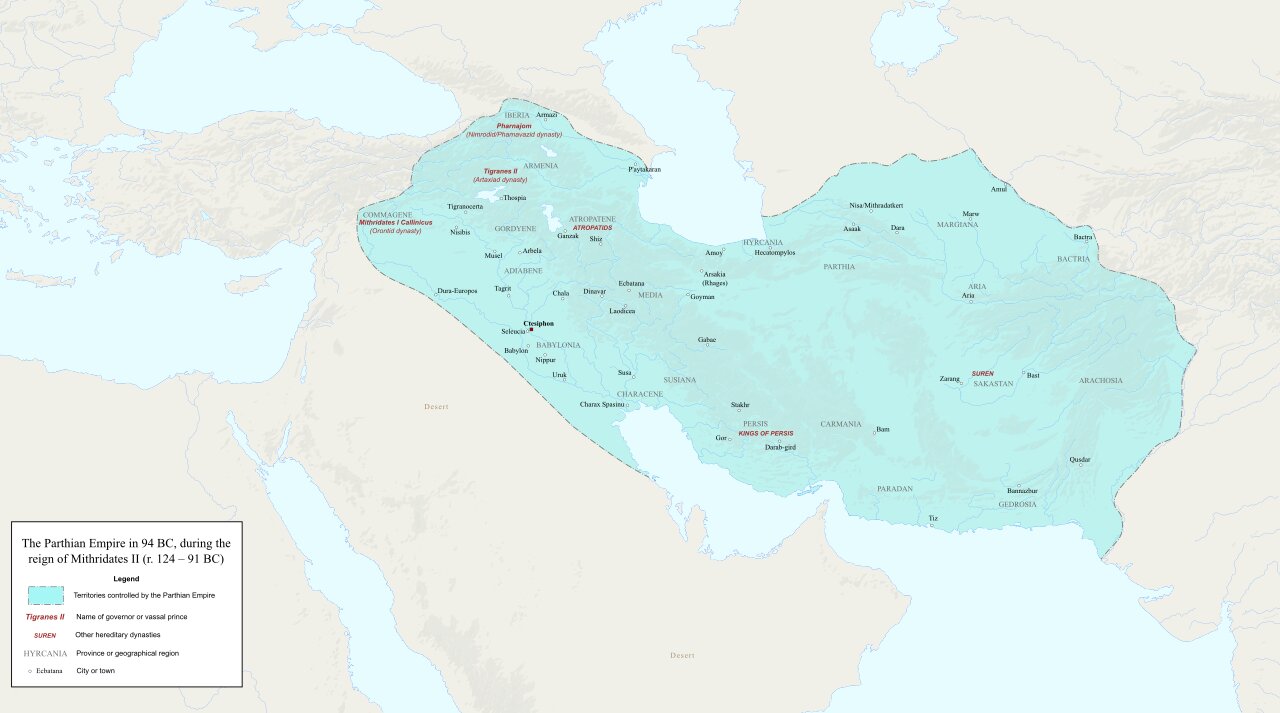
The Parthian Empire (247 BCE-224 CE) was founded when Arsaces I, chief of the Parni nomads, seized the province of Parthia from the crumbling Seleucid Empire and made himself king. His dynasty, the Arsacids, spent a century consolidating the Iranian plateau before Mithridates I (r. 171-132 BCE) took Media, Babylonia, and the great Greek city of Seleucia in 141 BCE. From then on Parthia was the heir of Persia, master of the lands between the Euphrates and Central Asia - and Rome's only lasting rival.
For nearly four centuries the two empires faced each other across the Euphrates. The Parthians' army was made for the open plain: horse archers who shot as they retreated - the famous 'Parthian shot' - behind a charge of armored cataphracts on armored horses. In 53 BCE the Roman triumvir Crassus invaded and met the Parthian general Surena near Carrhae; the legions were destroyed, seven eagles lost, and Crassus killed - Rome's worst defeat in the east. Mark Antony's invasion in 36 BCE failed as well. Roman emperors did later sack the capital, Ctesiphon on the Tigris, more than once when Parthian politics turned chaotic - Trajan even reached the Persian Gulf - but no Roman could hold the plateau. The frontier held, and between the empires ran the Silk Road, whose customs enriched them both.
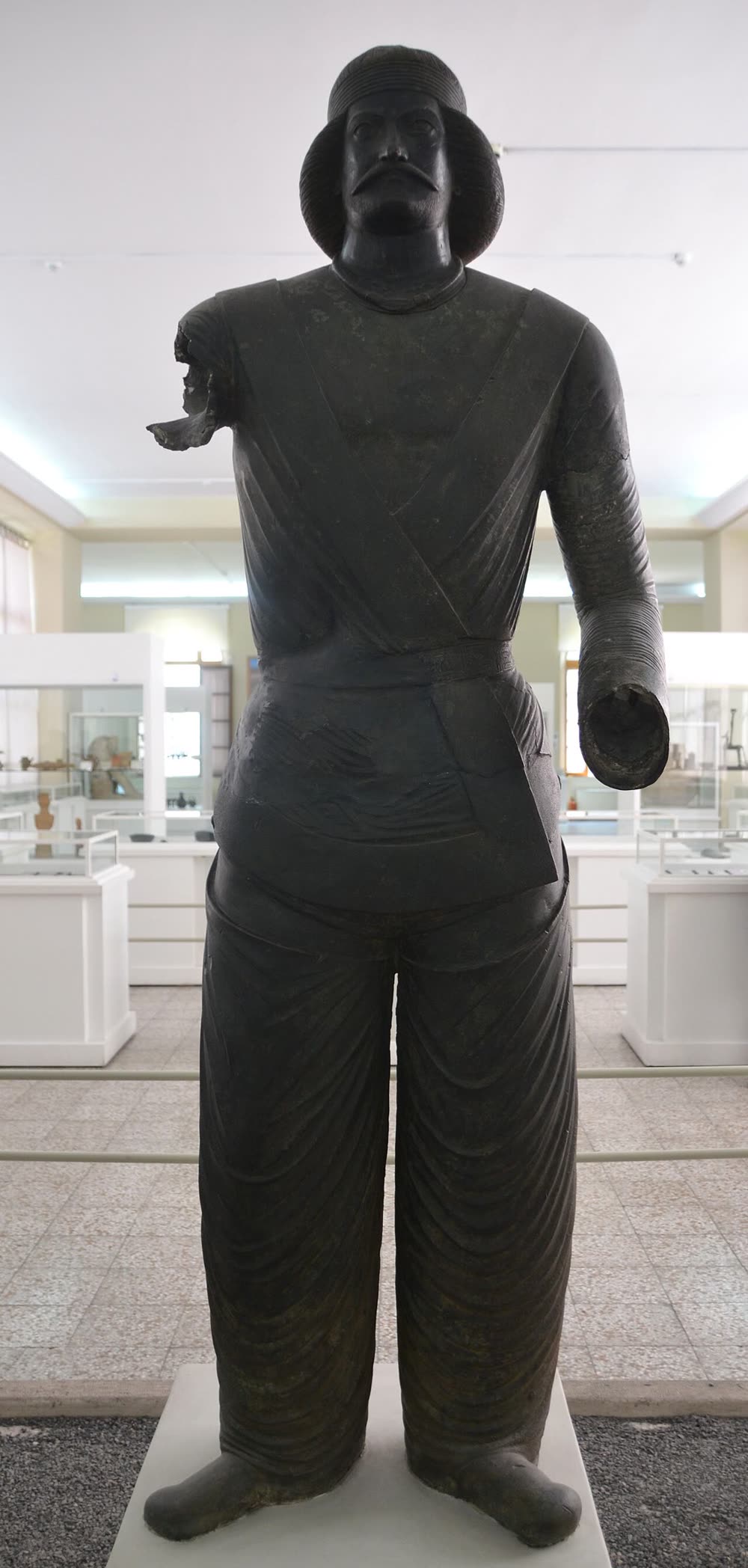
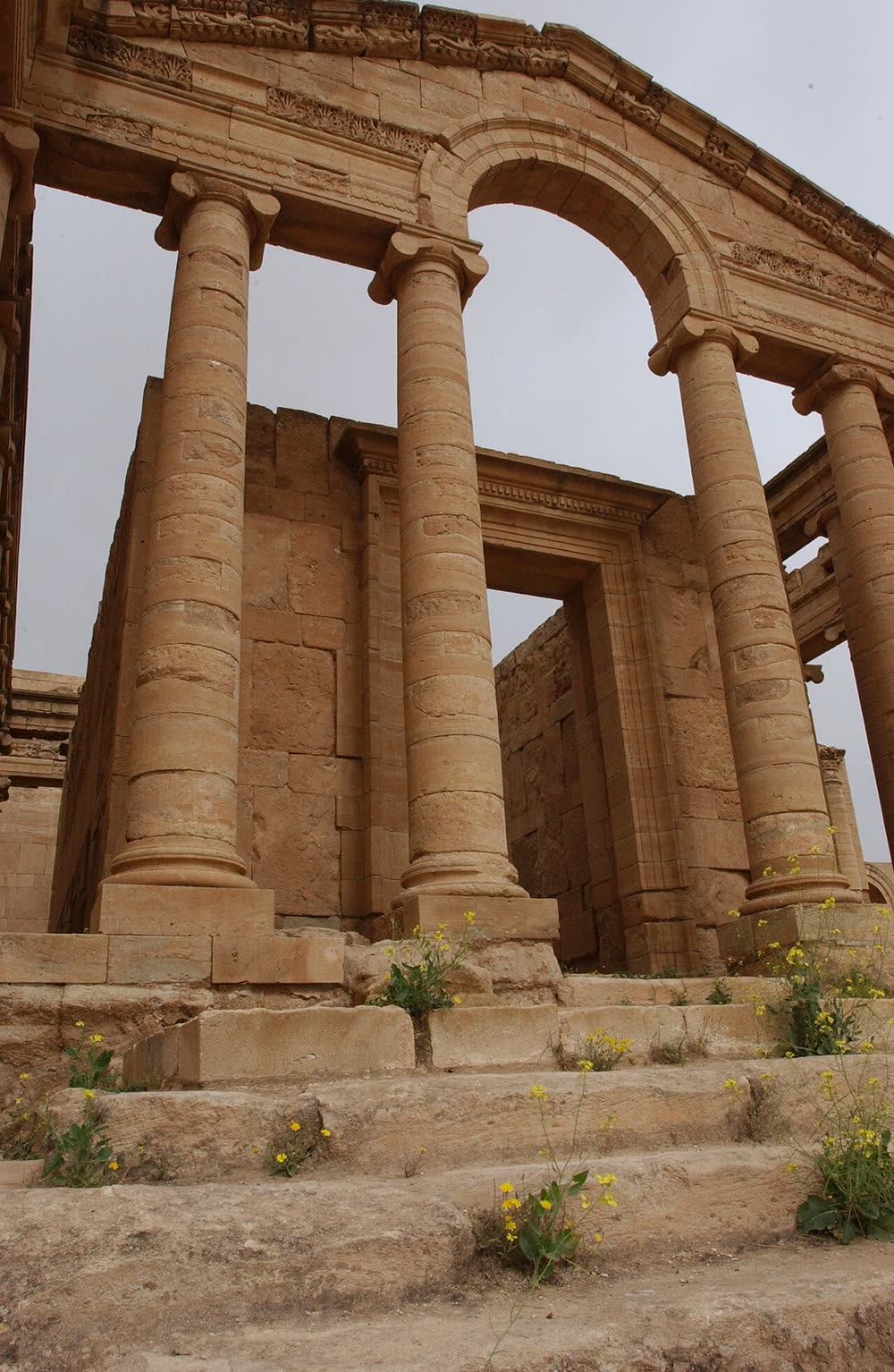
The empire was a loose, almost feudal structure. The Arsacid 'King of Kings' ruled through great noble houses like the Suren and the Karen, through semi-independent vassal kingdoms, and through Greek and Mesopotamian cities that kept their own privileges. Its culture was a deliberate mixture: Greek on the early coins and in the cities, Babylonian temples still busy, steppe customs at court, and Zoroastrianism growing stronger over the centuries. Parthian art developed its own unmistakable style - figures facing squarely forward - seen in the desert ruins of Hatra and the wall paintings of Dura-Europos.
Constant civil wars over the succession wore the Arsacids down. In 224 CE Ardashir I, a vassal king from Persis in Fars, defeated and killed the last Parthian king, Artabanus IV, at the battle of Hormozdgan and founded the Sasanian Empire. Yet the great Parthian families survived as pillars of the Sasanian aristocracy - the Karen and Suren still led armies generations later - and Parthia's four centuries had fixed the pattern of Iranian kingship, cavalry warfare, and Silk Road diplomacy that its successors inherited.
 Britannica: Arsacid dynasty
 World History Encyclopedia: Parthia (Empire)
 The Metropolitan Museum of Art: The Parthian Empire (247 B.C.-224 A.D.)
 Encyclopaedia Iranica: ARSACIDS