 Go Back
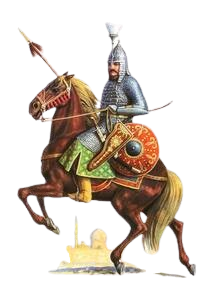
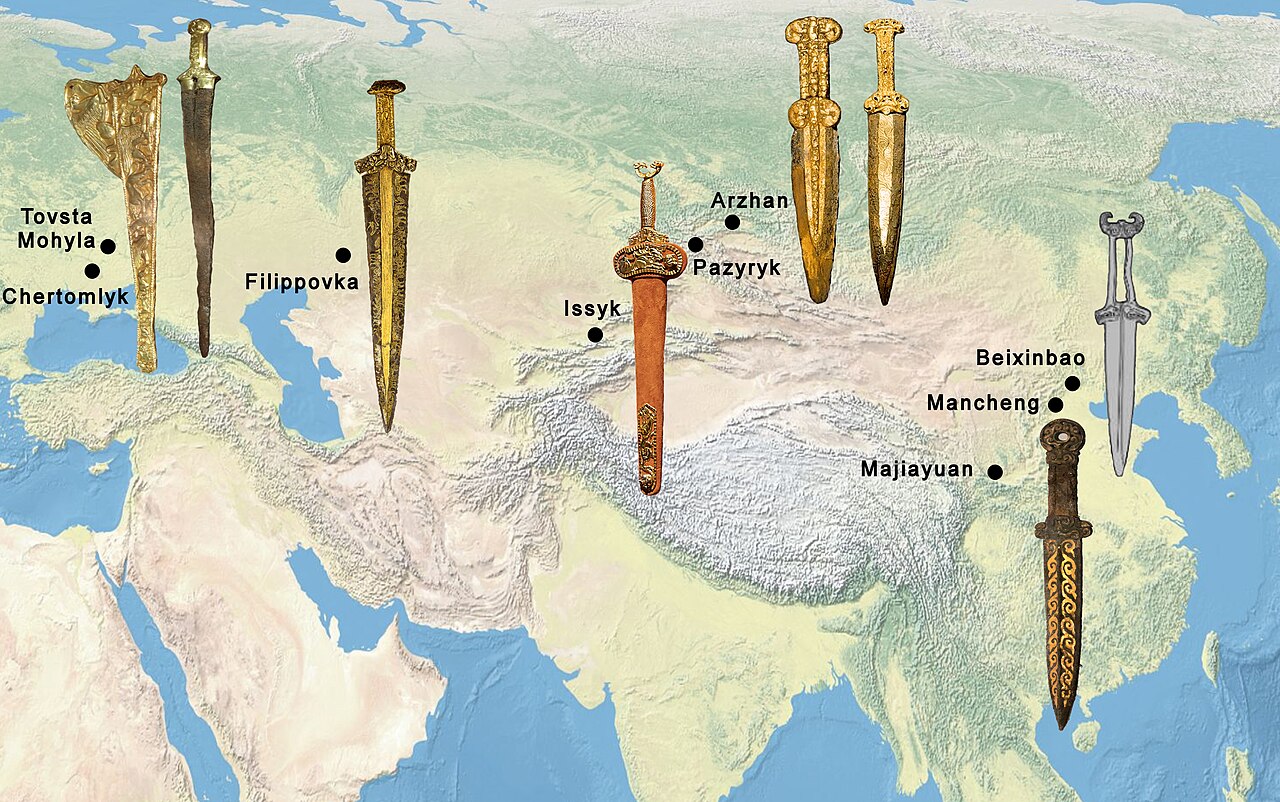
The Saka (Scythians). The Saka, often referred to as Scythians by ancient Greek writers, were a vast confederation of fiercely independent nomadic horse-riding tribes. From roughly the 8th century BCE to the 2nd century BCE, they dominated the immense Eurasian Steppe, stretching from the Black Sea all the way to the borders of China. They are crucial to history because they revolutionized mounted warfare, perfecting the deadly art of firing arrows backward while riding at full gallop. Furthermore, the Saka acted as the primary cultural bridge between the East and the West, controlling the early overland trade networks that would eventually evolve into the famous Silk Road.
Their formidable military power allowed them to heavily influence the massive empires to their south, occasionally invading the Middle East and constantly clashing with the Achaemenid Persians. The famous Persian King Darius the Great launched a massive, exhausting campaign against them but ultimately failed to conquer their mobile forces. The Saka dominance of the steppes eventually waned as they were slowly displaced or absorbed by newer waves of nomadic confederations like the Sarmatians and the Yuezhi, gradually fading from the historical record by late antiquity.