 Go Back

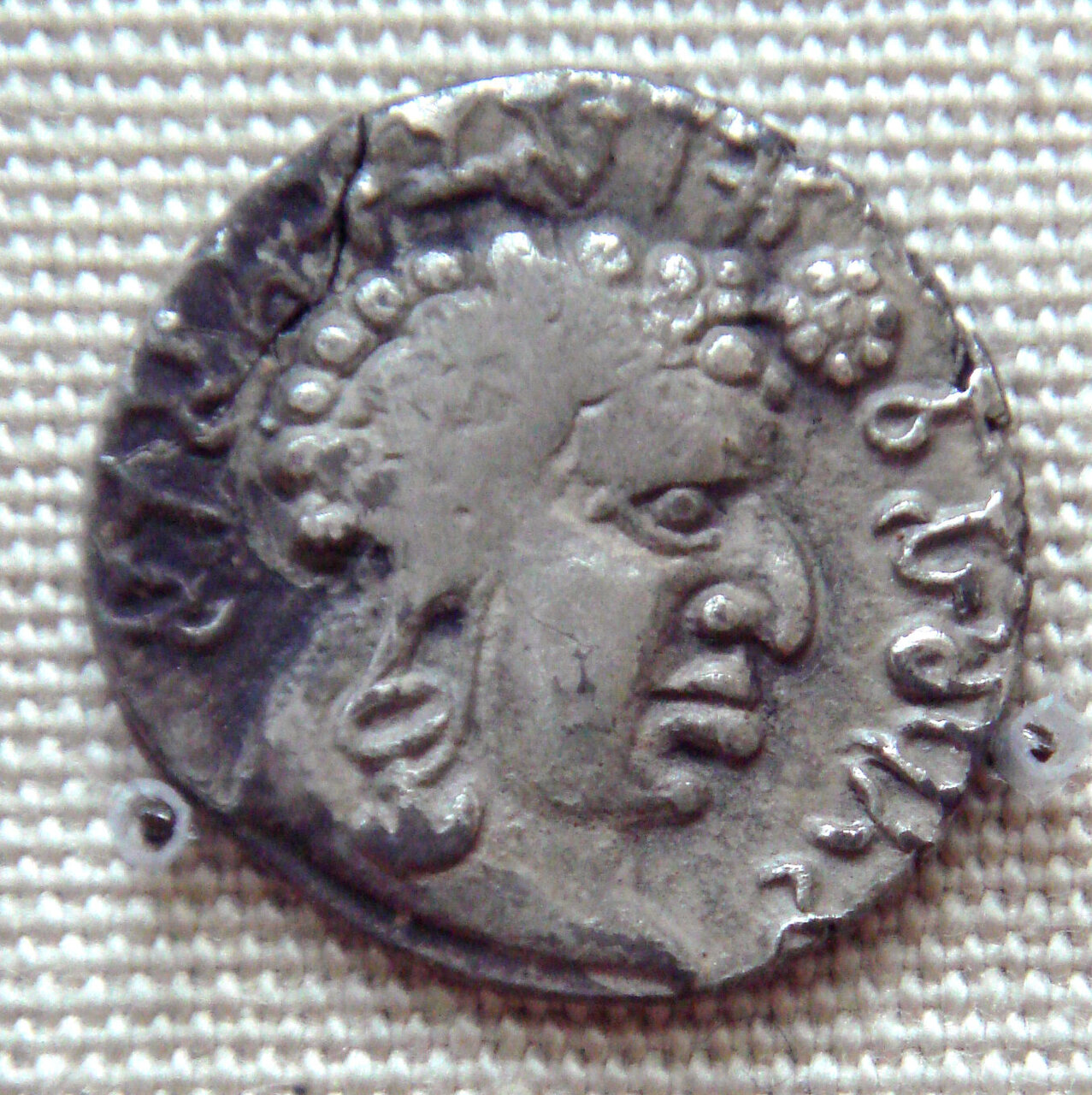
The Satavahana Dynasty. The Satavahanas (c. 1st century BCE-early 3rd century CE) were the first great indigenous dynasty of the Deccan, ruling the plateau of south-central India from capitals at Pratishthana (Paithan) and later Amaravati. Appearing in the aftermath of the Mauryan Empire's collapse, they built a kingdom that stretched at its height from sea to sea across peninsular India and fought off the foreign powers of the northwest - the Shakas (Western Kshatrapas), and by extension the legacies of the Indo-Greeks and Kushans.
The dynasty's finest hour came under Gautamiputra Satakarni (r. c. 106-130), who crushed the Western Kshatrapas and restored Satavahana power from Malwa to the Coromandel coast - his mother proudly recorded his victories in a famous Nashik inscription. His successors Vashishtiputra Pulumavi and Yajna Sri Satakarni kept the kingdom prosperous, and Satavahana ports like Kalyan shipped cotton, spices and gems to the Roman world - Roman coins are found across the Deccan, and Pliny complained of the drain of Roman gold to India.
The Satavahanas ruled a diverse, largely tolerant state. They performed Vedic sacrifices and claimed Brahmin status, but gave lavishly to Buddhist monks: the great stupa complexes of Amaravati, Nagarjunakonda and Sanchi's gateways were built or enriched under their rule, and their inscriptions are in Prakrit written in Brahmi script. Land grants to Buddhist monasteries recorded in their inscriptions are among the earliest of their kind in India.
In the 3rd century the dynasty fragmented into local successor states - the Ikshvakus, Abhiras and Vakatakas - but its model endured. The Satavahanas had opened the Deccan to settled kingdoms, maritime trade and Sanskrit and Prakrit court culture, and the artistic traditions they sponsored, above all Amaravati sculpture, became a foundation of later South Indian art.
 Britannica: Satavahana dynasty
 Humanities LibreTexts: 6.2: Satavahana Empire (100 BCE - 300 CE)
Humanities LibreTexts: 3.10: Regional States, Trade, and Devotional Religion- India