 Go Back
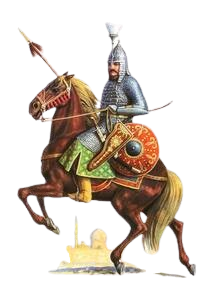
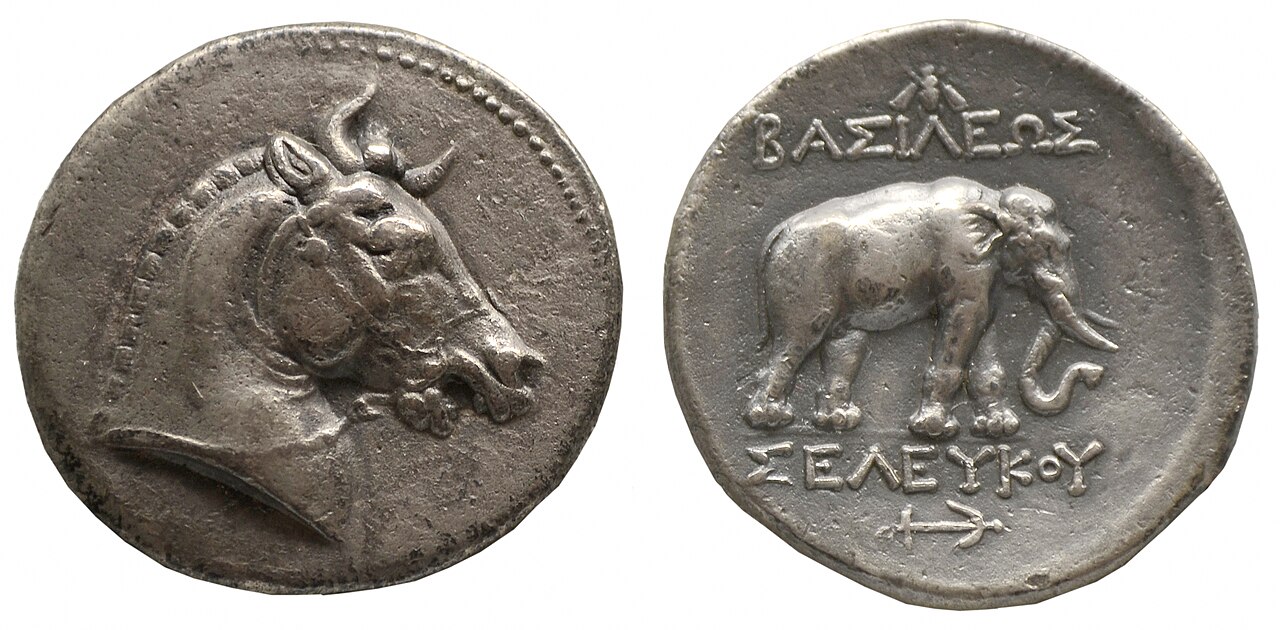
The Seleucids. The Seleucid Empire was a massive Hellenistic state carved out of the chaotic aftermath of Alexander the Great's death in 323 BCE. Founded by Alexander's general Seleucus I Nicator, it encompassed the bulk of the former Persian Empire, stretching from modern day Turkey all the way to the borders of India. The Seleucids are historically significant because they served as the primary engine for Hellenization in the Near East, aggressively founding Greek style cities and blending classical Greek administration with ancient Persian traditions. This cultural fusion heavily influenced the art, architecture, and religion of the entire region for centuries.
Managing such an incredibly vast and culturally fragmented territory proved to be a persistent nightmare for the Seleucid monarchs. They faced constant, draining wars against the rival Ptolemaic Empire in Egypt and suffered major territorial losses to the rising Parthian Empire in the east. Internal dynastic squabbles further weakened the state, allowing the Romans to easily defeat them at the Battle of Magnesia in 190 BCE. The once mighty empire slowly withered away into a minor local power in Syria before the Roman general Pompey finally annexed it completely in 63 BCE.