 Go Back

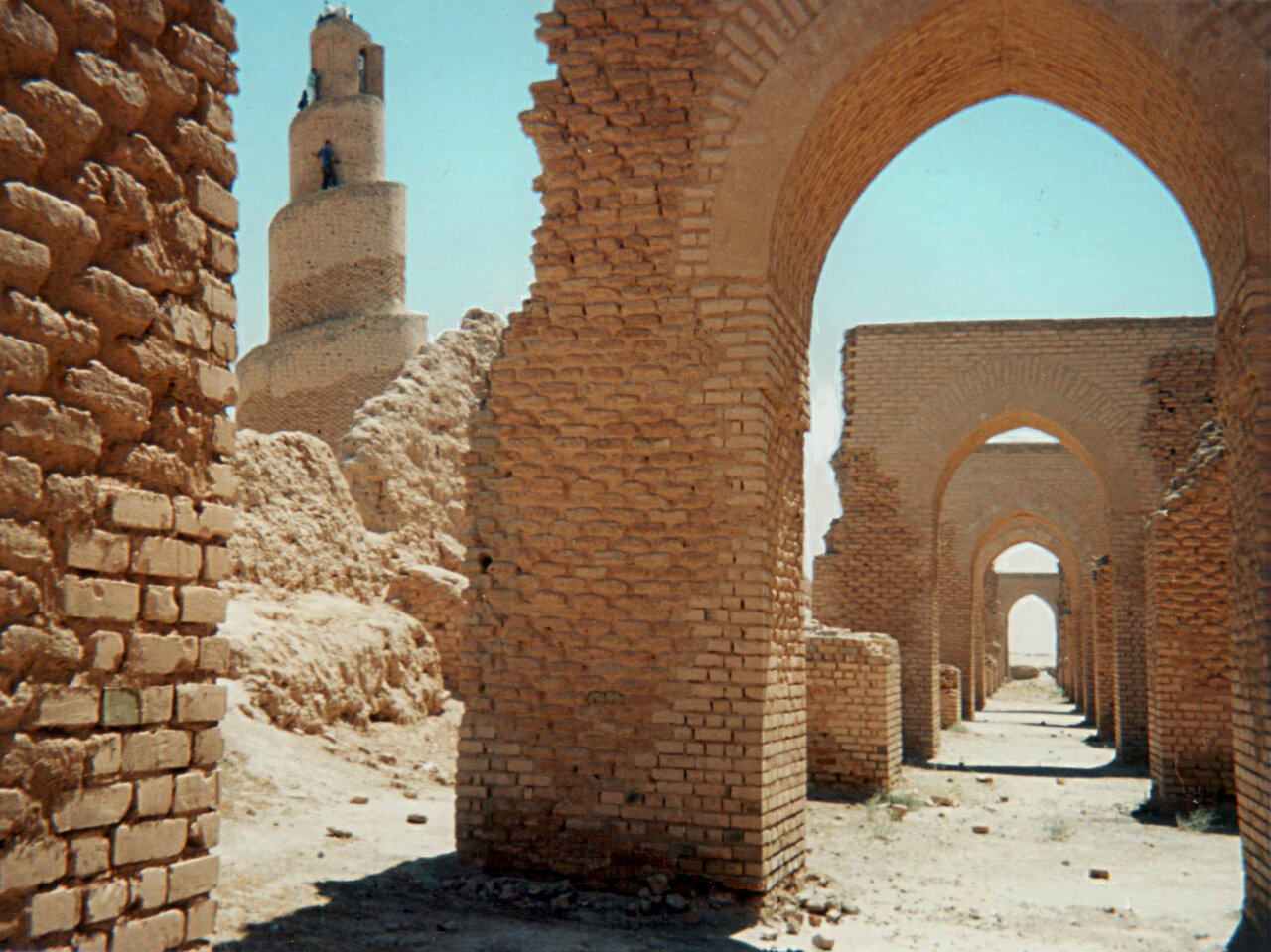
The Abbasid Caliphate. The Abbasid Caliphate (750-1258), second of the two great caliphal dynasties, was founded on revolution: the descendants of the Prophet's uncle al-Abbas, riding a wave of discontent in Khorasan among converts (mawali) and Shi'a sympathizers, overthrew the Umayyads in 750 and massacred the fallen house. The new caliphs - al-Saffah, then al-Mansur - moved the center of the Islamic world east to Iraq, founding Baghdad (762), the 'City of Peace', soon the largest city on earth.
The early Abbasid century - Harun al-Rashid (786-809) and his son al-Ma'mun (813-833) - was the golden age of Islamic civilization. Baghdad's House of Wisdom (Bayt al-Hikma) translated Greek, Persian and Indian learning into Arabic; al-Khwarizmi gave mathematics algebra and algorithms; the court of the Thousand and One Nights set the literary imagination of the world. But the empire was already fraying: civil war between al-Amin and al-Ma'mun (809-813) shattered Iraq, provincial dynasties (Tahirids, Saffarids, Samanids) peeled away, and from 836 the caliphs became prisoners of their own Turkish slave-soldiers at Samarra.
From 945 the caliphs lost all temporal power, reigning as religious figureheads under successive protectors - the Shi'a Buyids (945-1055), then the Sunni Seljuks (1055-1194) - while rival caliphates rose in Cairo and Cordoba. Yet the Abbasid name retained enormous spiritual authority: every Sunni ruler sought the caliph's investiture, and al-Nasir (r. 1180-1225) briefly rebuilt real power in Iraq.
In 1258 the Mongol Hulegu stormed Baghdad, sacked the city and executed the caliph al-Musta'sim, ending the classical caliphate. The Mamluks of Egypt sheltered an Abbasid shadow-caliphate in Cairo until 1517, but the Baghdad caliphate's five centuries - above all its fusion of Persian statecraft, Greek science and Arabic-Islamic culture - remained the standard against which the whole Islamic world measured legitimacy and civilization.
 Encyclopaedia Iranica: Abbasid Caliphate
 The Metropolitan Museum of Art: The Art of the Abbasid Period (750-1258)
 Humanities LibreTexts: The Abbasid Empire