 Go Back
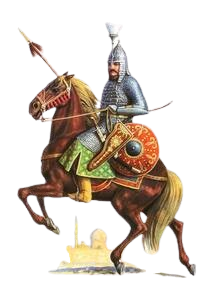
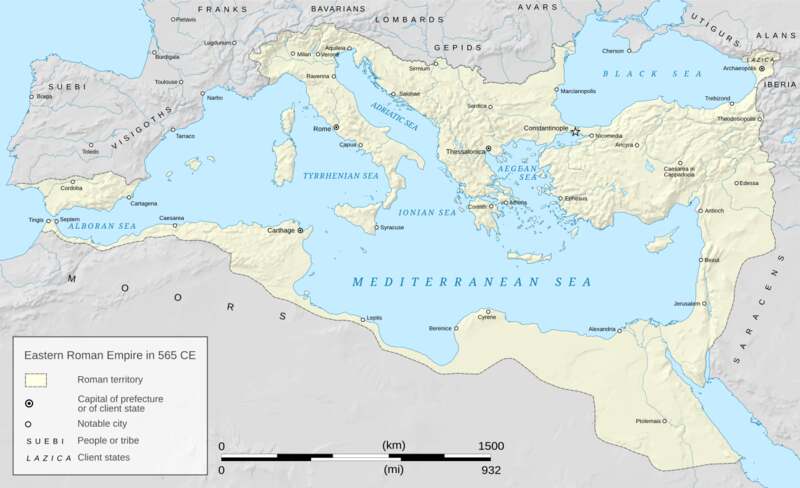
The Eastern Roman Empire (The Byzantines). The Eastern Roman Empire, widely known today as the Byzantine Empire, was the direct continuation of the Roman state during the Late Antiquity and Middle Ages. Centered squarely on its magnificent capital of Constantinople, it dominated the eastern Mediterranean and Anatolia for over a thousand years after the western half of the empire collapsed. This civilization matters deeply because it served as a crucial buffer between Christian Europe and the rapidly expanding Islamic caliphates, absorbing massive invasions over the centuries. They also preserved ancient Greek and Roman literature, heavily influencing the later European Renaissance.
The empire experienced massive fluctuating fortunes, reaching a spectacular medieval peak under the Macedonian dynasty before suffering a catastrophic defeat at Manzikert in 1071 CE. This loss permanently opened Anatolia to Turkic migration, slowly stripping away their most vital agricultural heartland. The state was fatally crippled in 1204 CE when the Fourth Crusade unexpectedly sacked Constantinople, shattering the empire into competing rump states. Although they eventually recaptured their capital, the severely weakened Byzantines finally fell to the Ottoman Turks in 1453 CE.