 Go Back

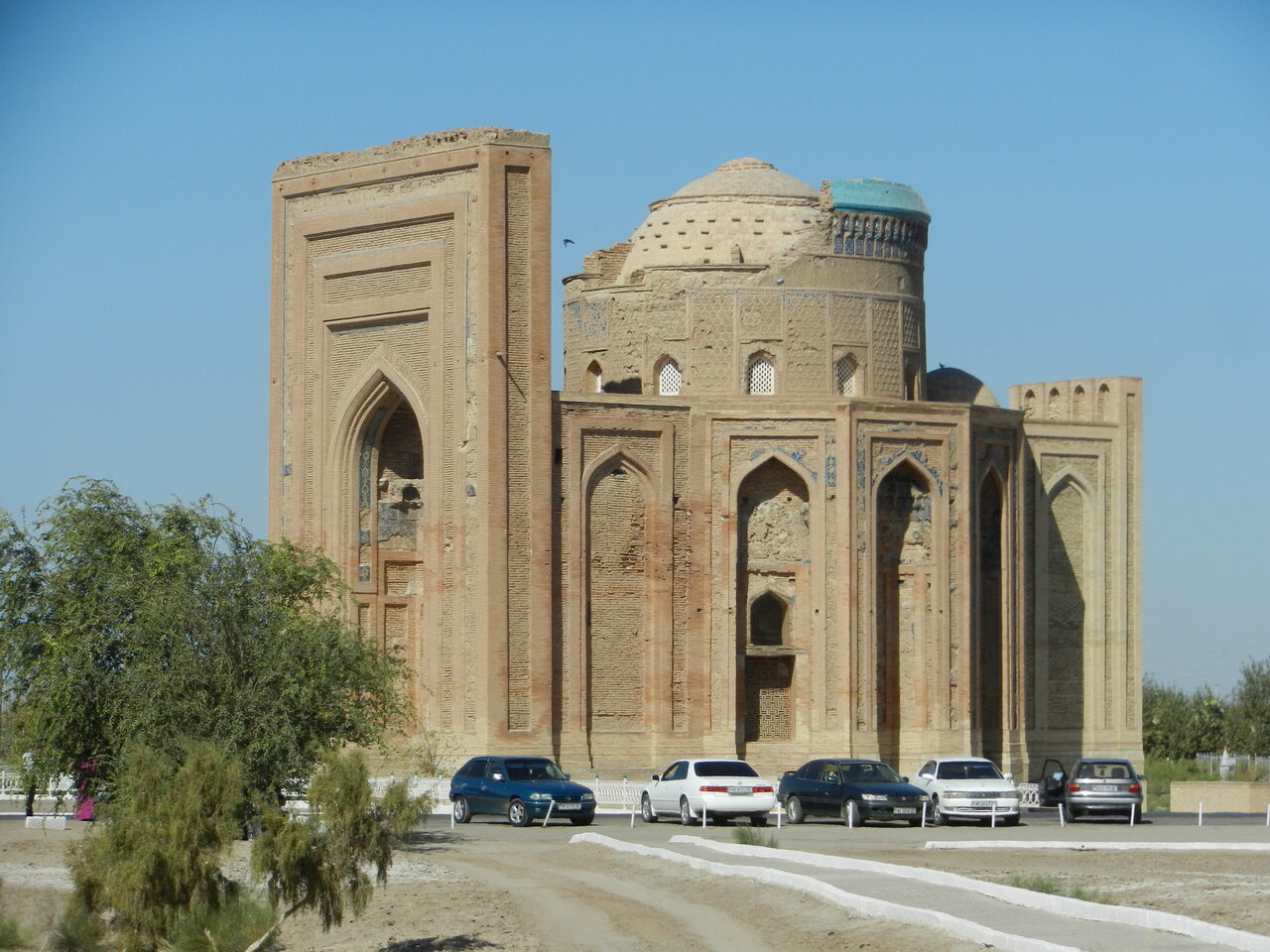
The Khwarazmian Empire. The Khwarazmians (c. 1077-1231) rose from governors of Khwarazm, the oasis region on the lower Oxus (Amu Darya) south of the Aral Sea, first serving the Seljuks and then the Kara Khitai. Under Ala al-Din Tekish (r. 1172-1200) and above all his son Ala al-Din Muhammad II (r. 1200-1220), they shook off their overlords, conquered the Ghurid lands, Khorasan and most of Iran, and briefly ruled the largest Islamic empire of the age, from the borders of Iraq to India and the Syr Darya.
Muhammad's empire was vast but brittle: freshly conquered, riven by the rivalry between the sultan and his formidable mother Terken Khatun, whose Qipchaq troops terrorized his subjects, and at odds with the Abbasid caliph in Baghdad, whom Muhammad threatened to depose. When Mongol trade envoys were killed at Otrar in 1218 by his governor - and Genghis Khan's ambassadors then humiliated - Muhammad chose defiance rather than handing over the culprit.
Genghis Khan's invasion of 1219-1221 was the catastrophe of the age. Muhammad scattered his army in city garrisons, which the Mongols destroyed piece by piece: Bukhara, Samarkand, Otrar, Gurganj (the Khwarazmian capital) and the cities of Khorasan - Merv, Nishapur, Herat - were stormed and devastated with enormous loss of life. The sultan fled across Iran and died, broken, on a Caspian island in 1220; his son Jalal al-Din Mangburni fought a brilliant guerrilla war, won at Parwan, but was defeated on the Indus (1221) and spent a decade as a fugitive warlord in the west before being killed in 1231.
The fall of Khwarazm marked the real beginning of the Mongol domination of the Islamic world: eastern Iran never fully recovered from the destruction, the irrigation systems of Khorasan lay ruined for generations, and the road stood open to the sack of Baghdad a generation later.
 Encyclopaedia Iranica: Khwarazmshah
s: The Line of Anustigin
Encyclopaedia Iranica: Chorasmia in Islamic Times