 Go Back

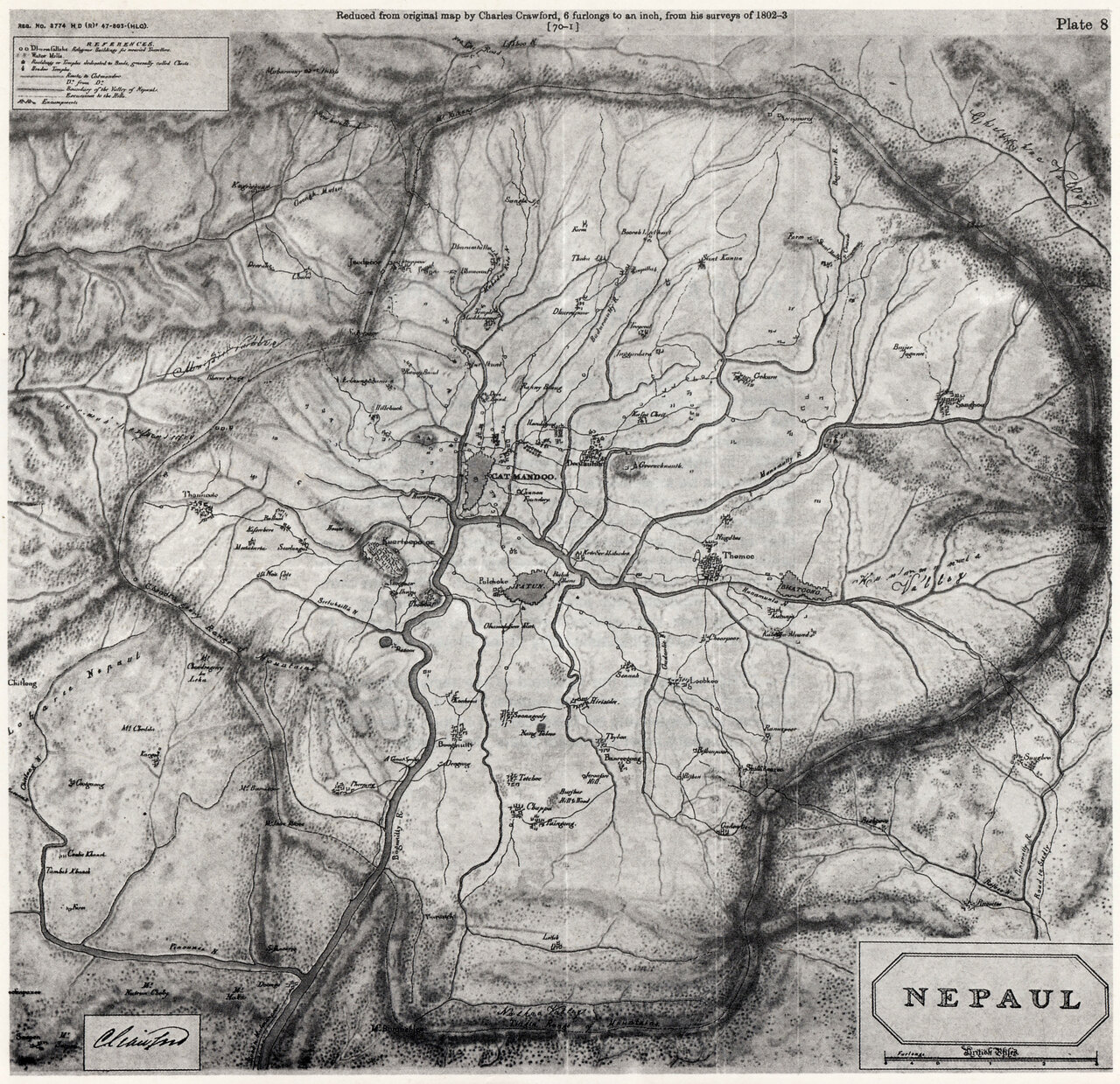
The Malla Kingdoms of Nepal. The Malla period (1200-1769) was the classical age of the Kathmandu Valley, when the Newar civilization of Nepal reached its artistic zenith. Founded by Ari Malla around 1200, the dynasty first ruled a unified valley kingdom, but from 1482 it split into three rival city-states - Kathmandu, Patan (Lalitpur), and Bhadgaon (Bhaktapur) - whose kings competed in war and, above all, in building: each city raised its own Durbar Square of palaces, tiered temples and gilded statues, today collectively a UNESCO World Heritage site.
The Malla centuries gave Nepal its monuments and its culture. The valley's unique synthesis of Hinduism and Buddhism deepened - Newar Buddhism with its own Sanskrit texts, monastic courtyards (bahals) and living goddess tradition (the Kumari, instituted by the Mallas) - while the Newar masters of wood, brick and bronze created the valley's signature style: multi-roofed pagoda temples, struts carved with deities, and bronzes exported as far as Tibet and China (the Nepali artist Araniko designed temples and stupas for Kublai Khan's Beijing).
The rivalry of the three kingdoms - wars, alliances and espionage chronicled in the valley's own vamsavalis - kept the Mallas rich on the Tibet-India trade but politically divided. Kathmandu under Pratap Malla, Patan under Siddhi Narasimha, and Bhaktapur under Bhupatindra Malla (builder of the five-roofed Nyatapola temple, Nepal's tallest) each made their city a jewel of urban art.
The division was fatal: in 1768-1769 Prithvi Narayan Shah, the ambitious king of the hill state of Gorkha, conquered the three cities one by one, unifying them into the modern kingdom of Nepal. The Mallas' cities remain the cultural heart of Nepal - their squares, festivals and the living Kumari still defining Kathmandu Valley life.
 Britannica: Malla era
Britannica: Nepal
 The Metropolitan Museum of Art: Arts of the Greater Himalayas: Kashmir, Tibet, and Nepal