 Go Back

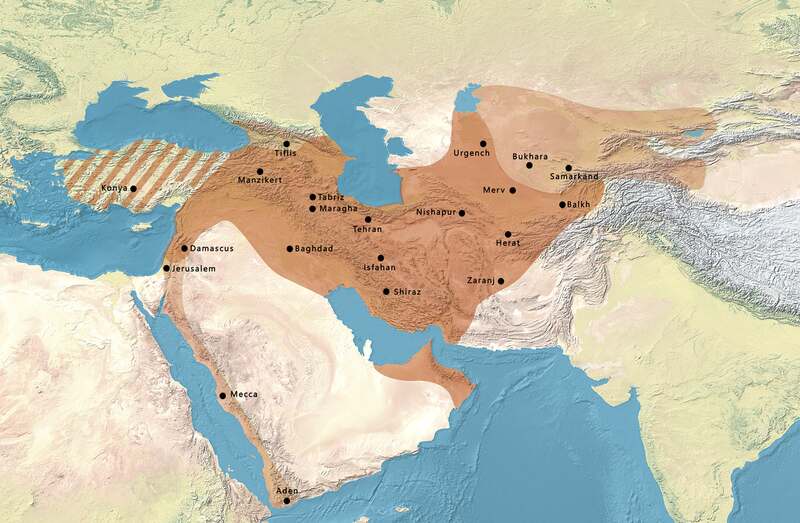
The Seljuk Empire (1037-1194) was the power that reunited the Islamic world - and the invasion that changed Anatolia forever. The Seljuks were Oghuz Turks, nomads from the steppes near the Aral Sea named for their clan leader Saljuq, who had moved south and converted to Islam in the tenth century. In the 1030s his descendants swept into Khorasan, shattered the Ghaznavids at Dandanaqan in 1040, and in 1055 entered Baghdad, where the Abbasid caliph - long a puppet of the Buyid emirs - welcomed Tughril Beg as sultan: the temporal sword of a now firmly Sunni restoration.
Under Tughril's nephew Alp Arslan the empire turned west, annexing Armenia and Georgia and raiding deep into Byzantine Anatolia. The collision came in August 1071 near the fortress of Manzikert, where Alp Arslan destroyed the Byzantine field army and captured the emperor Romanos IV himself. It was one of history's decisive battles. Byzantine power in Anatolia never recovered; within two decades Turkoman settlers and warlords had planted principalities as far as the Aegean, and the old heartland of Byzantium was becoming Turkey. It was the appeal for help against these Turks that launched the First Crusade.
The empire's golden age came under Malik Shah I (r. 1072-1092) and his brilliant Persian vizier Nizam al-Mulk, who for all practical purposes ran the state for thirty years - contemporaries called it 'the Nizam's state'. From the new capital at Isfahan they ruled from the borders of China to the Mediterranean. Nizam al-Mulk organized the iqta land-grant system that financed the army, and in 1067 he founded the first of the Nizamiyya madrasas in Baghdad, the network of colleges that defined Sunni scholarship for centuries. Persian was the language of administration and high culture, and the era produced a flowering of Persian letters - the astronomer-poet Omar Khayyam worked at Malik Shah's observatory.
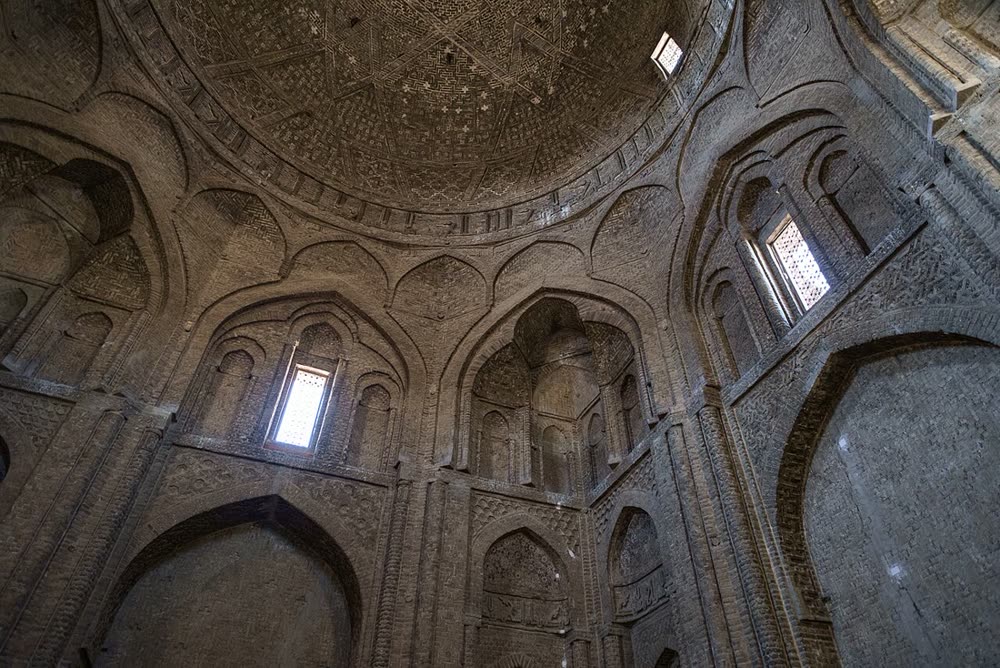
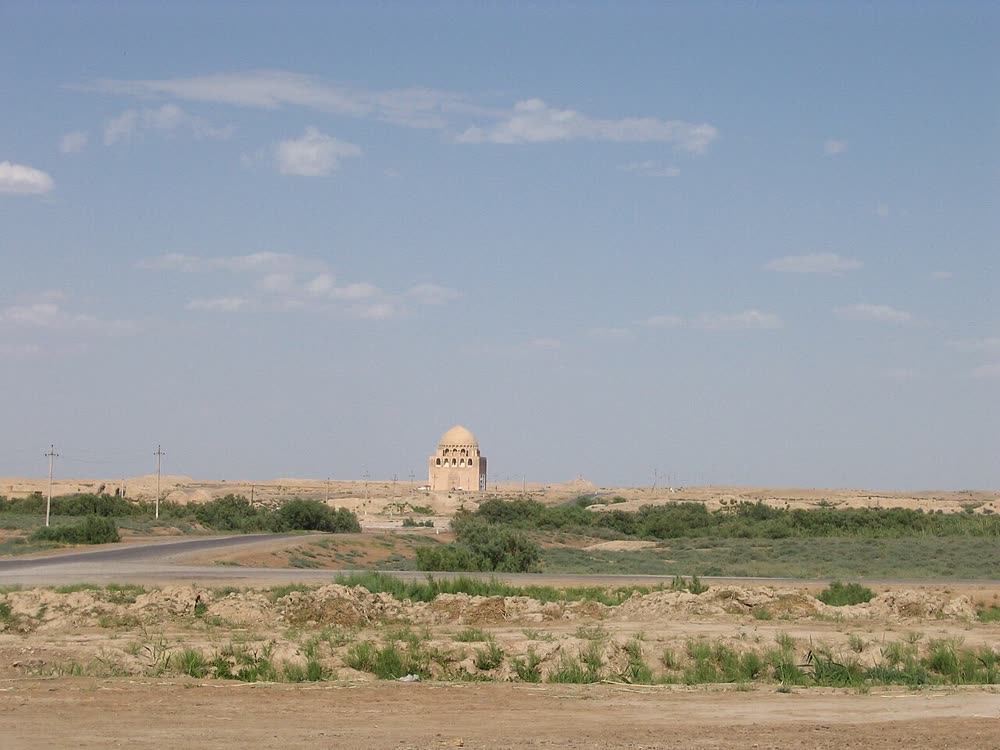
The empire did not long survive its golden age. In 1092 Nizam al-Mulk was assassinated, most likely by the new Order of Assassins, and Malik Shah died weeks later; the succession struggles never really ended. The realm split among the sultan's heirs: the eastern half held together under Ahmad Sanjar until his catastrophic defeat by the Kara Khitai at Qatwan in 1141, while the western sultans lingered in Iran and Iraq until the Khwarazmians finished them in 1194.
The Seljuk world lived on in its offshoots - above all the Sultanate of Rum in Anatolia, which endured into the fourteenth century and made the region durably Turkish and Muslim. The Seljuks left the Middle East its madrasas, its four-iwan mosques, and its Persianate model of kingship, and they left the steppe peoples' military energy harnessed to the institutions of Islam. When the Ottomans later claimed the same inheritance, they were walking a road the Seljuks had built.
 Britannica: Iran - Seljuqs, Mongols, Empire
 Humanities LibreTexts: 13.3: The Seljuk Migration and the Call from the East
 Encyclopaedia Iranica: SALJUQS iii. SALJUQS OF RUM
 The Metropolitan Museum of Art: The Art of the Seljuqs of Iran (ca. 1040–1157)