 Go Back

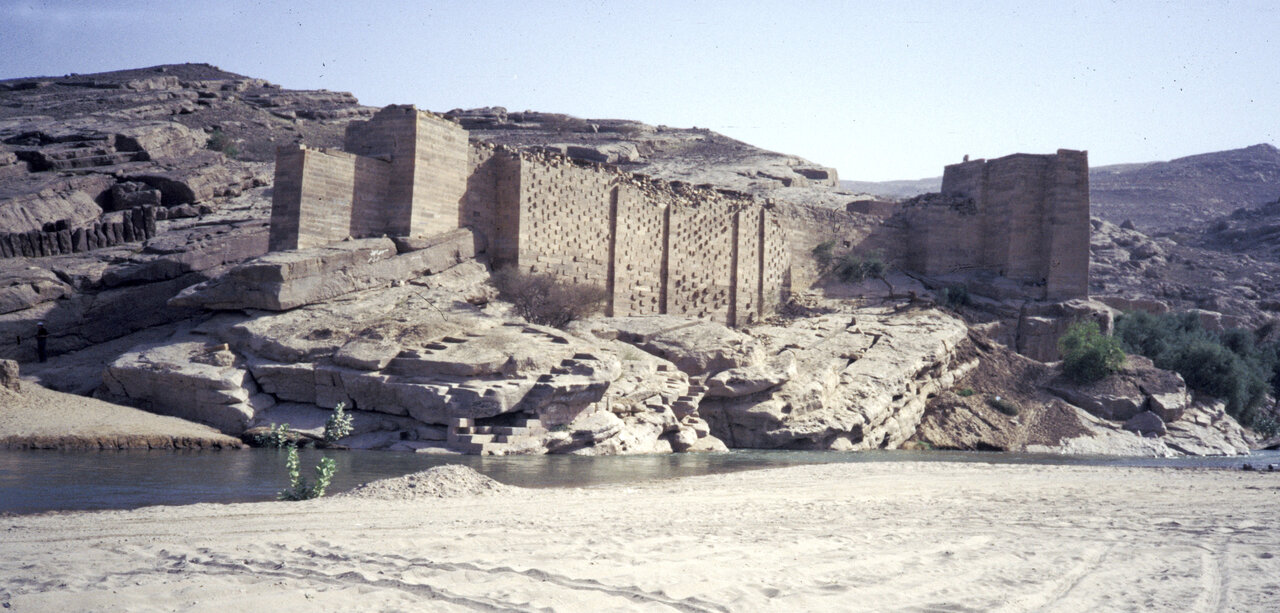
The Sulayhids of Yemen. The Sulayhids (1047-1138) ruled Yemen as the local champions of Fatimid Ismaili Shi'ism in the 11th-12th centuries. Their founder, Ali ibn Muhammad al-Sulayhi, began as a Sunni scholar converted by the Fatimid da'wa, raised the tribes of the Haraz mountains, took Sana'a (1047) and then the lowlands, and by 1063 ruled nearly all of Yemen - capturing Aden, Jibla and even making a famous pilgrimage to Mecca at the head of an army, which briefly installed a pro-Fatimid emir there.
Al-Sulayhi built a Yemeni state of unusual coherence: roads, mosques, and a new center at Dhu Jibla, where his queen - the captive-turned-wife Asma - and later his daughter-in-law presided over the court. After his murder in 1067 by the Najahids of Zabid, his son al-Mukarram Ahmad ruled nominally, but real power passed to the second queen, Arwa bint Ahmad (r. 1087-1138), one of the most remarkable women rulers in Islamic history: Sayyida Hurra, 'the Noble Lady', who governed Yemen for half a century, commanded armies, and ran the Fatimid religious mission (da'wa) for all of western India and Yemen.
Queen Arwa's reign saw both splendor and schism. When the Fatimid succession split after 1094, she sided with the Tayyibi branch, making Yemen and the Indian Bohra communities the stronghold of Tayyibi Ismailism - the tradition the Dawoodi Bohras of India still follow, who revere her as their second-highest saint. Her seat at Dhu Jibla, with her mosque and tomb, remains a major pilgrimage site.
After Arwa's death without heirs in 1138 the Sulayhid state dissolved into rival principalities - the Zurayids of Aden, the Mahdids of Zabid, the Hamdanids of Sana'a - until the Ayyubid conquest of 1173-74 reunified Yemen. The Sulayhid century fixed Yemen's Ismaili communities and left the two queens, Asma and Arwa, as enduring figures of Yemeni memory.
 Britannica: Sulayhid dynasty
Britannica: Yemen
 Encyclopaedia Iranica: Isma'ili Literature in Persian and Arabic