 Go Back

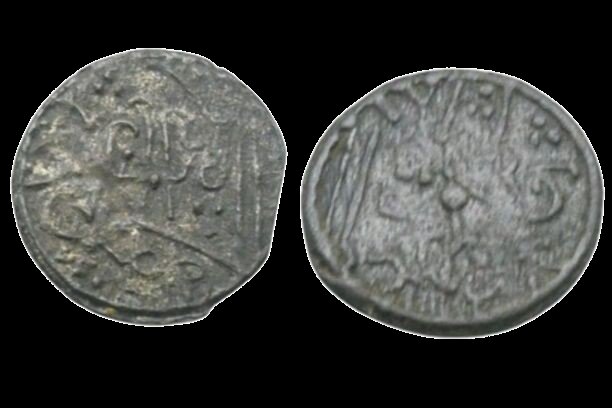
The Demak Sultanate (c. 1475-1568) was the first Muslim kingdom of Java and the agent of the island's Islamization. It began as a small port fief of the Hindu-Buddhist empire of Majapahit on Java's north coast, founded in a marshy settlement called Glagah Wangi - traditionally by Raden Patah, a Javanese noble of the Majapahit royal line. When a usurper seized the Majapahit capital in 1478, Demak stopped sending tribute and declared itself independent, and nearly all the Muslim trading towns of the north coast followed. Rich on rice, timber and the fleets of the new Muslim merchant networks linking Java to Malacca and beyond, Demak became, for a century, the power that stood for Java itself.
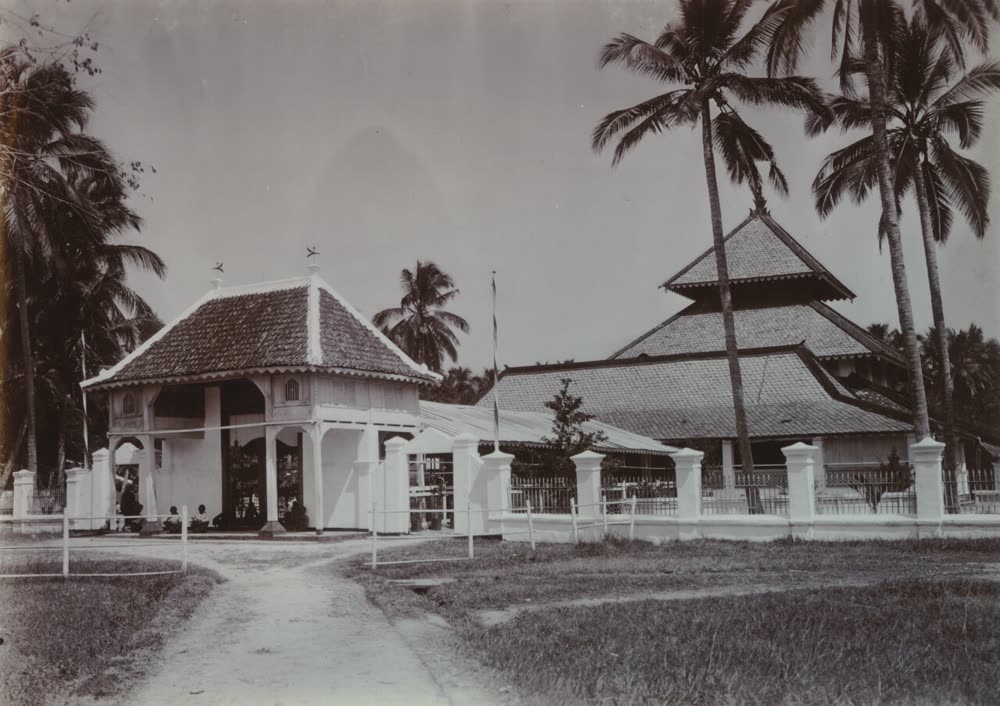
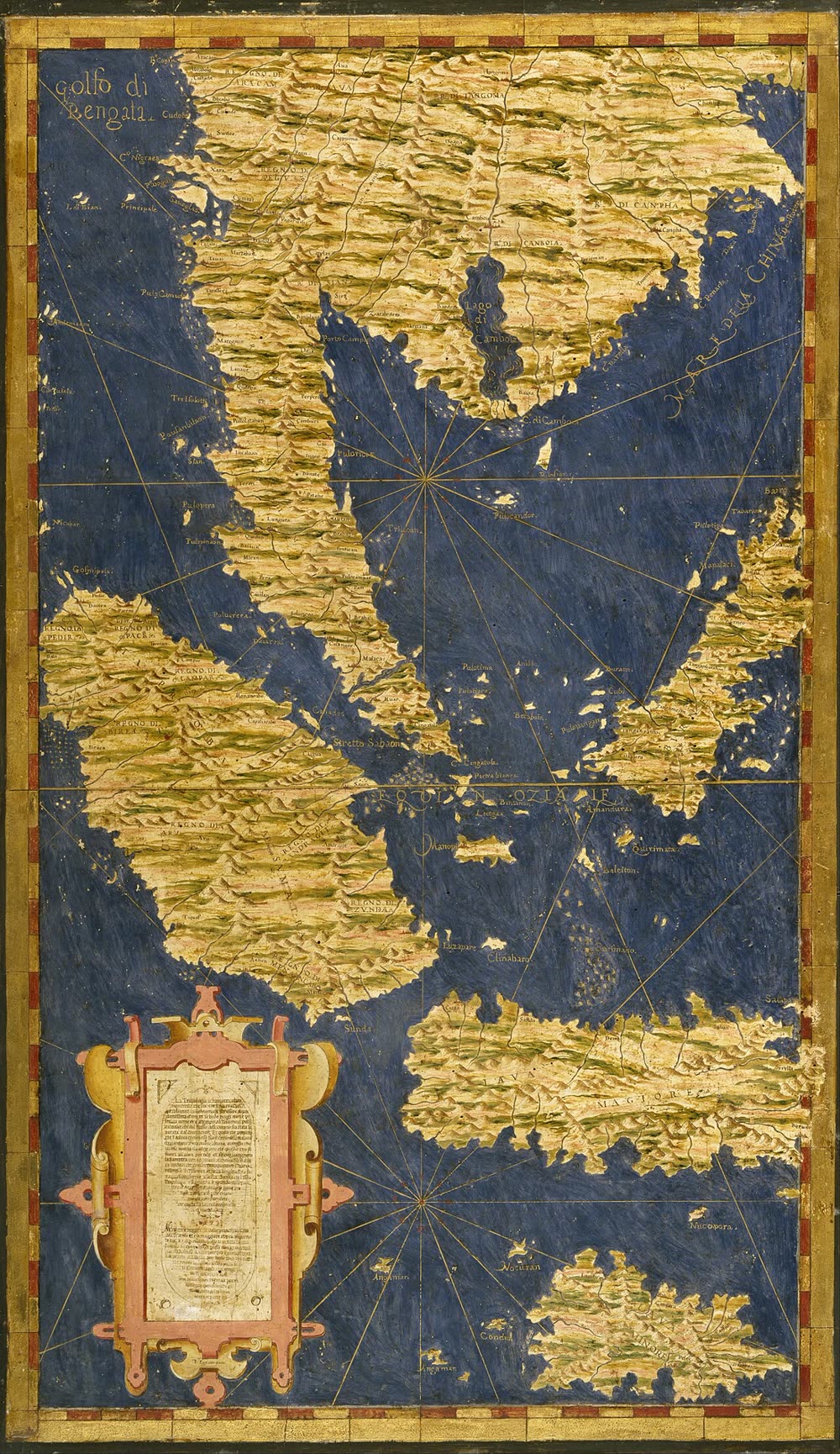
Demak was a thalassocracy: its strength was its ships and its web of coastal cities. Raden Patah (r. 1475-1518) won hegemony over the trading ports of the north coast - Semarang, Jepara, Tuban and Gresik - and extended his overlordship to Jambi and Palembang in Sumatra, while his capital at the end of the channel separating Muria island from Java exported rice to Malacca and imported the spice trade's wealth. The Portuguese factor Tome Pires, writing in his Suma Oriental, judged that 'the Lord of Demak stood for all of Java'. The new sultanate made its faith visible: Raden Patah built the Great Mosque as the center of Islamic teaching and ruled with the saints of the Wali Songo at his side - Sunan Kudus as judge, Sunan Giri as mufti, Sunan Kalijaga as imam.
Demak fought to make its claim on Majapahit's inheritance real. From 1513 to 1518 it campaigned against Daha (Kediri), Majapahit's successor state in the interior, and destroyed it - Raden Patah died soon after the victory, in 1518. His successor Pati Unus (r. 1518-1521) threw the sultanate's fleets against the new foreign power in the region, leading two great expeditions against Portuguese Malacca - about a hundred ships in 1513 and 375 in 1521. Both failed, and Pati Unus was killed in the second, remembered ever since as Pangeran Sabrang Lor, 'the Prince who crossed to the North'. The throne then passed to Trenggana (r. 1521-1546), crowned by Sunan Gunungjati, the third and greatest ruler of Demak.
Trenggana answered the Portuguese threat by land. When the Portuguese allied with the Hindu Sundanese kingdom of Pajajaran in 1522, he sent his general Fatahillah - a Pasai-born veteran who had studied in Mecca - to take Sunda's ports: Banten and Sunda Kelapa fell in 1527, and Sunda Kelapa was renamed Jayakarta, the future Jakarta. Banten became a vassal sultanate under Hasanudin. Trenggana's armies rolled up the remaining Hindu resistance of central and eastern Java, conquered the last remnants of Majapahit itself and carried its royal heirlooms home to Demak. The expansion ended with him: campaigning against Pasuruan in East Java in 1546, he was assassinated - tradition says by a ten-year-old Duke of Surabaya with a kris, while serving the sultan betel nut.
Demak's memory is inseparable from the Wali Songo, the Nine Saints revered as Java's apostles of Islam. Preacher-traders like Sunan Ampel, Sunan Giri and Sunan Kudus founded mosques and pesantren schools up and down the coast and, in Javanese tradition, wove Islam into Javanese culture rather than breaking it - wayang puppetry, gamelan music and courtly custom were kept and given new meaning. Their monument still stands: Demak's Great Mosque, with its vast tiered roof and the saka guru pillars - one said to be of wood chips pressed together by a saint's hand - is widely held to be the oldest mosque in Indonesia, and the tombs of the saints and sultans around it still draw pilgrims.
Trenggana's murder unleashed a family blood feud. His son Sunan Prawata (Mukmin) took the throne in 1546, but in 1549 he was assassinated with the very kris he had used to kill his own uncle - by agents of Arya Penangsang of Jipang, the murdered uncle's son, who seized the throne. Penangsang's harshness turned the vassals against him: he had the queen of Jepara's husband killed, and she in turn demanded justice from Hadiwijaya of Pajang, Trenggana's son-in-law, better known as Jaka Tingkir. A coalition of vassals rose, and in 1568 Hadiwijaya's adopted son Sutawijaya - later the founder of Mataram - killed Penangsang. Hadiwijaya carried Demak's regalia and sacred heirlooms off to Pajang, and Demak sank to a vassal of the new power. The sultanate was finished, but its work was done: Java was Muslim, and the Wali Songo tradition it sponsored still defines Javanese Islam.
 Encyclopaedia Iranica: Southeast Asia: Shi'ites
 Humanities LibreTexts: The Malacca Sultanate
 Britannica: Majapahit empire