 Go Back
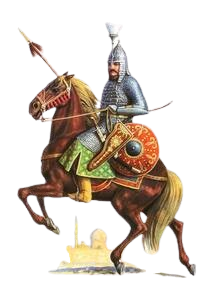
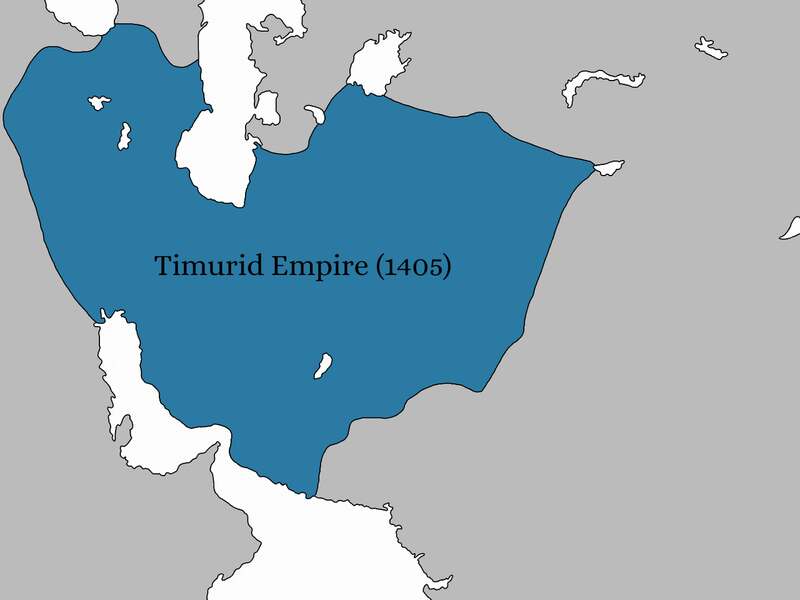
The Timurid Empire. The Timurid Empire was a vast Turco-Mongol state that violently conquered Persia, Central Asia, and parts of the Indian subcontinent during the late 14th century. It was founded by the notoriously ruthless conqueror Timur, who intentionally modeled his brutal military campaigns on those of Genghis Khan. The empire is historically crucial because, despite Timur's horrific massacres, his successors ushered in the Timurid Renaissance. They transformed cities like Samarkand and Herat into breathtaking centers of Islamic art, astronomy, and Persian literature, heavily influencing the cultural trajectories of the later Ottoman, Safavid, and Mughal empires.
Timur's vast conquests were held together almost entirely by his sheer personal charisma and military terror, lacking a strong centralized bureaucratic foundation. Immediately following his death in 1405 CE while planning an invasion of China, his descendants plunged the empire into a series of exhausting civil wars. The territory rapidly shrank as local powers broke away and the rising Safavid dynasty began claiming Persian lands. The final remnants of Timurid power in Central Asia were completely destroyed by Uzbek nomads in the early 16th century, though a Timurid prince named Babur survived to eventually found the Mughal Empire in India.