 Go Back
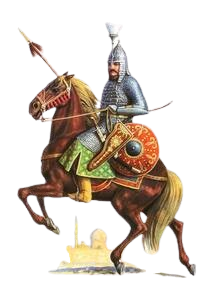
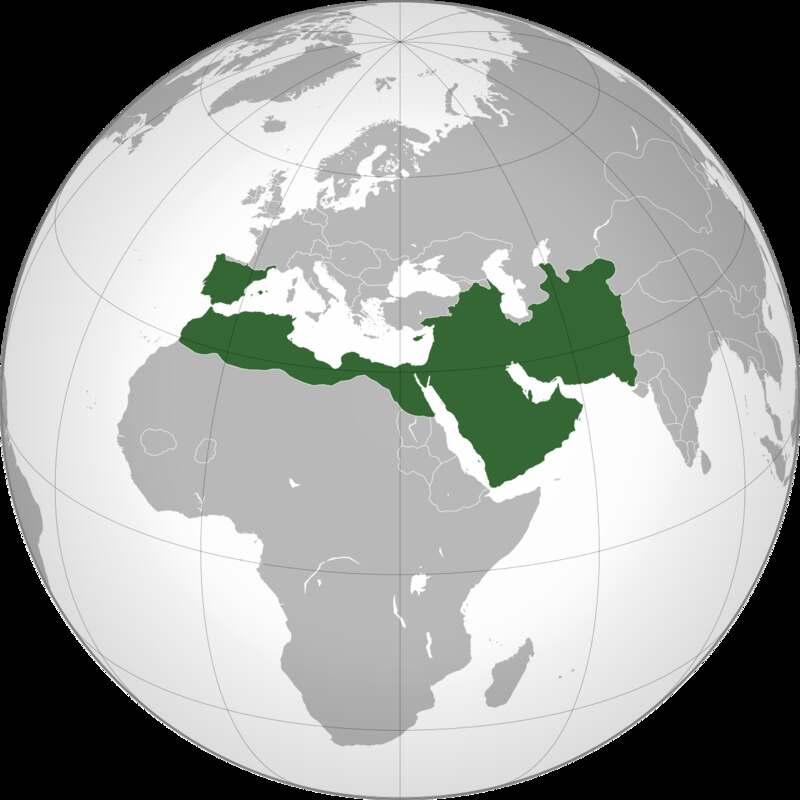
The Umayyad Caliphate. The Umayyad Caliphate was the second major Islamic caliphate, ruling a truly colossal empire from their luxurious capital in Damascus between 661 CE and 750 CE. At its absolute peak, their territory stretched continuously from the Iberian Peninsula in the west all the way to the borders of India in the east. The Umayyads are incredibly significant because they formalized Islamic imperial administration, minting the first purely Islamic coinage and declaring Arabic the official state language. They also funded spectacular monumental architecture, most notably constructing the iconic Dome of the Rock in Jerusalem.
Their heavy reliance on an elite Syrian Arab military class created deep resentments among non Arab converts to Islam, who felt treated as second class citizens. These marginalized groups eventually united under the banner of the rival Abbasid family. In 750 CE, this massive coalition launched a highly successful revolution that entirely toppled the Umayyad government and violently purged their royal family. A single surviving Umayyad prince managed to escape the slaughter and fled to Spain, establishing a wealthy independent emirate in Cordoba.