 Go Back
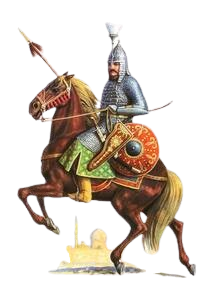
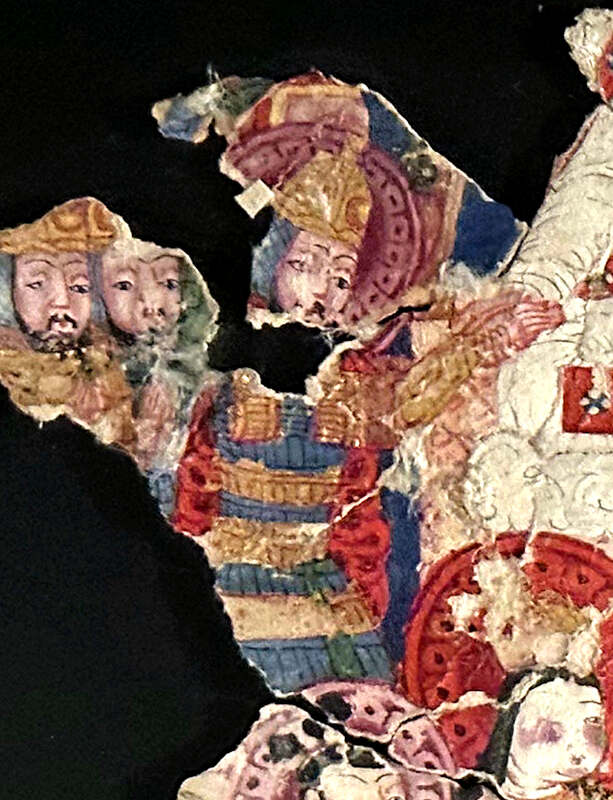
The Uyghur Khaganate. The Uyghur Khaganate was a powerful steppe empire that ruled the Mongolian plateau from 744 to 840 CE, immediately replacing the Göktürks. Unlike purely nomadic empires, they built heavily fortified permanent cities, most notably their impressive capital of Ordu-Baliq. This state is historically crucial because its leaders officially converted to Manichaeism, a rare choice that fostered a highly literate and cosmopolitan society. They maintained incredibly profitable, albeit heavily extortive, trade relations with Tang Dynasty China, often trading basic horses for vast quantities of precious silk.
The khaganate enjoyed nearly a century of wealth and relative stability before facing severe internal crises. Unusually harsh winters devastated their crucial livestock herds, weakening their economy and military at the exact same time. In 840 CE, the Yenisei Kyrgyz tribes launched a massive surprise invasion, utterly destroying the Uyghur capital and forcing the population to flee in all directions. The survivors migrated down into the Tarim Basin, where they established new, long lasting oasis kingdoms.