 Go Back

Austria-Hungary. Austria-Hungary was born of defeat: after Prussia crushed Austria in 1866, the Habsburgs made their peace with the Hungarians in the Compromise of 1867, transforming the Austrian Empire into a dual monarchy - two largely self-governing states, Cisleithania and Transleithania, sharing one monarch who was both Emperor of Austria and Apostolic King of Hungary. It was the last phase in the constitutional evolution of the Habsburg monarchy, following Hungary's wars of independence against Habsburg rule, above all the revolution of 1848-1849.
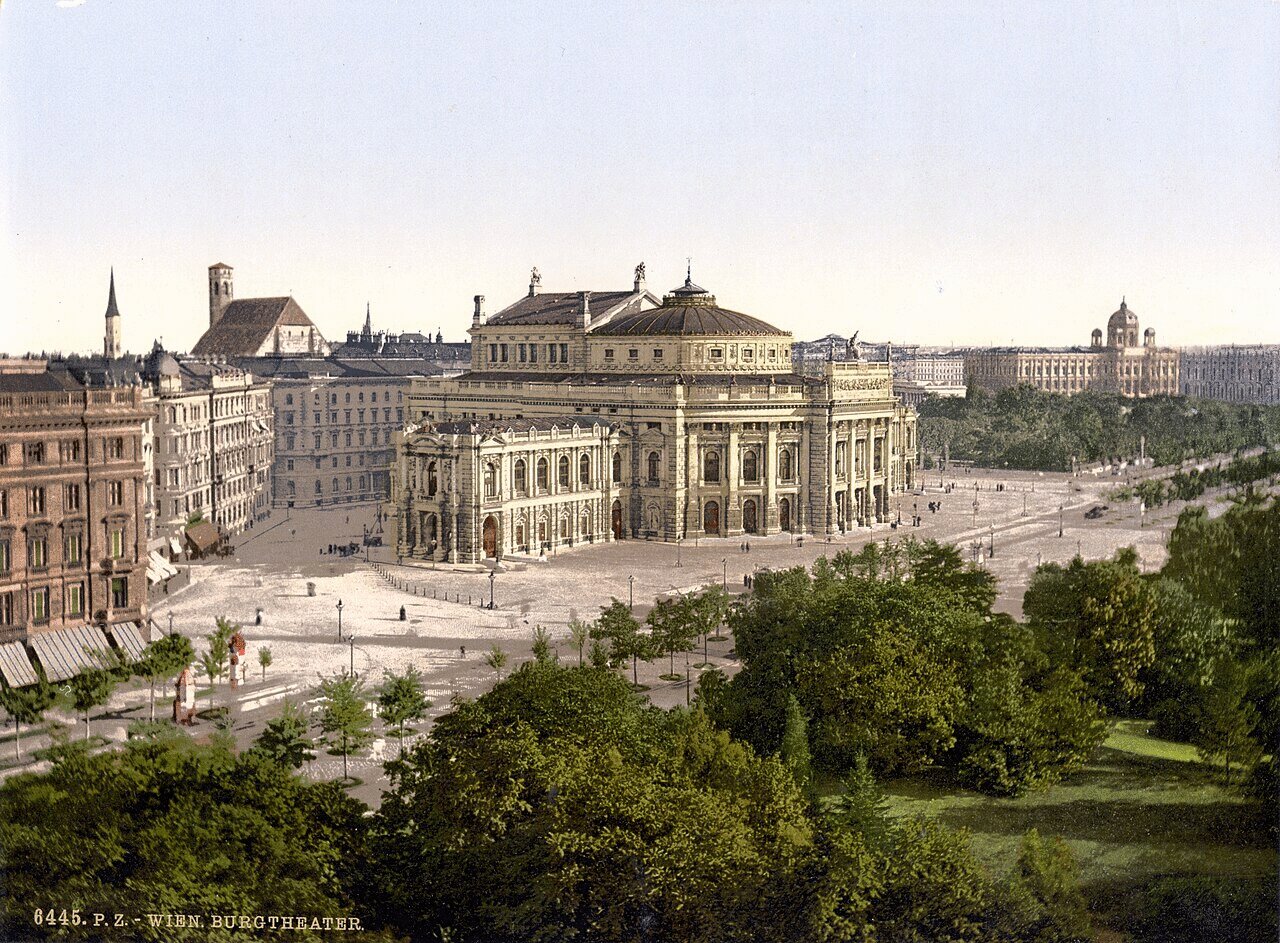
Under the long reign of Franz Joseph (1867-1916), the dual monarchy was one of Europe's great powers and one of its strangest states: a dozen nations - Germans, Hungarians, Czechs, Slovaks, Poles, Ukrainians, Romanians, Croats, Serbs, Slovenes, Italians - under one crown, with a dazzling imperial capital in Vienna and a proud partner capital in Budapest. It was the second-largest country in Europe by area and the third-most populous, and it built the fourth-largest machine-building industry in the world.
The dual structure had been born in failure: in 1848 the Hungarians' revolution for independence was crushed by the Austrian army with Russian help, and absolutist rule from Vienna only deepened the resentment that the 1867 Compromise was designed to end. The national tensions that made the monarchy colorful also made it fragile. When the heir, Archduke Franz Ferdinand, was assassinated at Sarajevo on 28 June 1914, the July Crisis ended with Austria-Hungary's declaration of war on Serbia on 28 July - the fuse of the First World War, in which the dual monarchy fought as one of the Central Powers, a war it would not survive.
Defeat and nationalist revolution dissolved the empire even before the armistice: Hungary terminated the union in October 1918, and the armistice of Villa Giusti followed on 3 November. From its lands rose Austria, Hungary, Czechoslovakia, and Yugoslavia, with territories ceded to Poland, Romania, and Italy - the map of Central Europe for the century to come.
 Britannica: Austria-Hungary
 UNESCO: Telegram of Austria-Hungary`s declaration of war on Serbia on 28th
 The Metropolitan Museum of Art: Fashions of the Hapsburg Era: Austria-Hungary
Britannica: Ausgleich