 Go Back

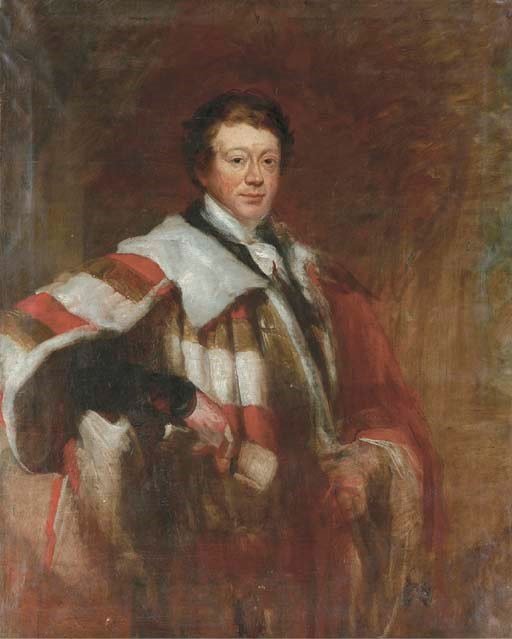
Catholic Emancipation. Daniel O'Connell was a Kerry lawyer, a brilliant barrister and a devout Catholic who believed revolutions were made in courts and meetings, not on battlefields. In 1823 he founded the Catholic Association with a stroke of genius: the Catholic Rent, a subscription of a penny a month that let the poorest cottier join. Within a few years the association had enrolled a mass membership counted in the millions, organized parish by parish through the priests, and turned the demand for Catholic Emancipation - the right of Catholics to sit in Parliament - into the first mass democratic movement in European history.
The law said a Catholic could not take a seat in Parliament; it did not say one could not be elected. In 1828 O'Connell himself stood for County Clare against a sitting minister, and the forty-shilling freeholders - the small Catholic tenants, voting against their landlords' orders for the first time - elected him by a landslide. Ireland held its breath: if O'Connell was refused his seat, the prime minister, the Duke of Wellington, warned, the kingdom might face civil war.
Wellington, the victor of Waterloo and no friend of concession, chose concession. With Robert Peel he forced the Roman Catholic Relief Act through Parliament in April 1829: Catholics could at last sit at Westminster, hold nearly all public offices, and vote on equal terms. It was the most consequential climbdown of the century - it split the Tory party for a generation - and it had been extorted not by violence but by the disciplined mobilization of an unarmed people.
O'Connell took his seat as the Liberator, the uncrowned king of Ireland, and turned to his next cause: Repeal of the Union. His monster meetings of the 1840s drew crowds counted in the hundreds of thousands - at Tara in 1843 perhaps three-quarters of a million - until the government banned the Clontarf meeting, O'Connell backed down rather than risk blood, and his movement broke. He died in 1847, on pilgrimage to Rome, in the worst year of the Famine. His methods - mass organization, disciplined nonviolence, moral pressure - were studied by every later movement from Chartism to Gandhi.
 Britannica: Daniel O'Connell
Britannica: Catholic Emancipation
Britannica: Duke of Wellington