 Go Back

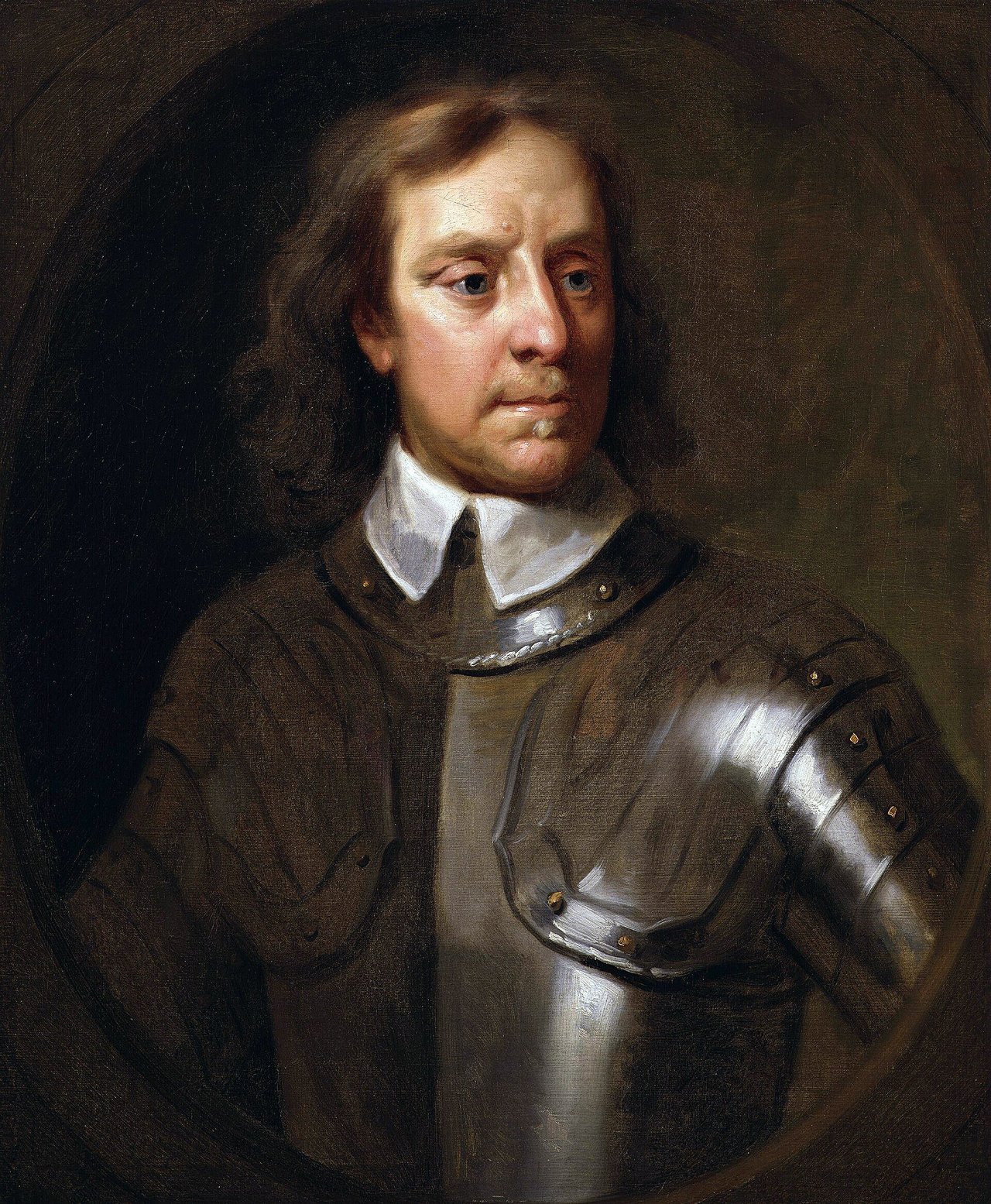
Confederate Ireland. In October 1641, with King and Parliament sliding toward war in England, the Catholic Irish of Ulster rose to seize back the planted lands, and the rising spread across the island. Out of it the Catholic landowners - Gaelic Irish and Old English alike - built something Ireland had never had: a government of their own. The Catholic Confederation, founded at Kilkenny in 1642, ran an assembly, courts, taxes, a mint and armies, and for seven years ruled most of Ireland in the name of King Charles, while negotiating to save both his crown and their religion.
The Confederates were divided from the start. The Old English wanted a deal with the king on any workable terms; the Gaelic Irish, and the papal nuncio Rinuccini, demanded full restoration of the Catholic Church and the confiscated lands. Their armies won the war's one great Irish victory - Owen Roe O'Neill's destruction of a Scottish army at Benburb in 1646 - and threw the advantage away in quarrels. Ormond's royalist peace split the Confederation, and its divided armies were beaten one by one.
In August 1649 Oliver Cromwell landed at Dublin with the New Model Army, and what followed has never been forgotten. In September he stormed Drogheda and put the garrison - some two and a half thousand men - to the sword, with many civilians dying in the slaughter; in October Wexford suffered the same fate. The other garrisons did not wait: town after town surrendered rather than face him. Within nine months Cromwell had broken organized resistance in the east and south and sailed home, leaving his generals to finish a conquest completed, amid famine and plague, by 1653.
The settlement was as hard as the conquest. The Act of Settlement of 1652 confiscated the lands of the Catholic landowning class wholesale; its owners were transplanted to Connacht - to hell or Connaught ran the phrase - or shipped to the colonies, and their acres went to soldiers and adventurers. By 1660 the Catholic share of Irish land had fallen from about sixty per cent to barely twenty. Cromwell spent less than a year in Ireland, and his name has been a curse-word there for nearly four centuries.
 Britannica: Oliver Cromwell
Britannica: Ireland - The 1641 Rebellion and Cromwellian Conquest
 World History Encyclopedia: Oliver Cromwell