 Go Back

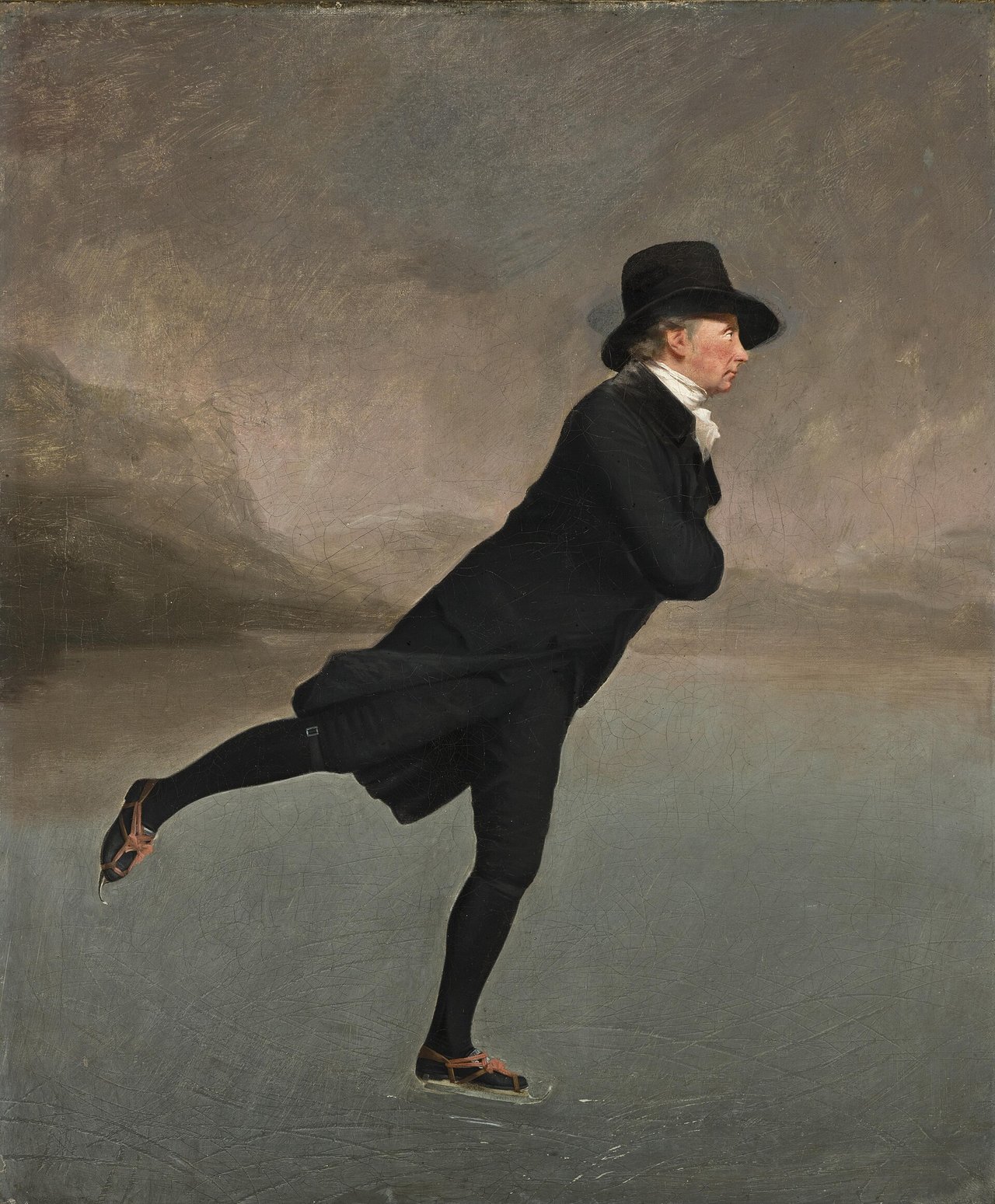
The Scottish Enlightenment. In the half-century after 1740, poor, Presbyterian, post-Union Scotland produced an explosion of genius out of proportion to any nation in modern history. David Hume wrote the most searching philosophy in the language from his Edinburgh rooms; Adam Smith, a Glasgow professor, published the Wealth of Nations in 1776 and founded economics; Adam Ferguson invented sociology; William Robertson wrote the histories read across Europe; James Hutton founded geology; Joseph Black founded modern chemistry; and James Watt, a Glasgow instrument-maker, gave the industrial age its engine.
It had institutions behind the genius. The Scottish universities - Edinburgh, Glasgow, Aberdeen, St Andrews - were cheap, open to talent, and taught in English rather than Latin, drawing students from England, Ireland and America. The parish school system, the Reformation's promise of a school in every parish, gave Scotland the highest literacy in Europe. And the Union of 1707, by removing politics to London, turned Scottish energy into inquiry: in the clubs of Edinburgh - the Select Society, the Poker Club - lawyers, ministers, doctors and lairds argued out the science of man.
The Edinburgh they argued in became the Athens of the North: the New Town rising in neoclassical stone, the Encyclopaedia Britannica first published there in 1768, the Edinburgh Review setting the intellectual tone of the English-speaking world. From Edinburgh and Glasgow the Scottish idea traveled: to the American founding fathers, to the French economists, to every country where the modern sciences of society, wealth and the earth were taking shape.
The Enlightenment's own terms defined the modern questions: Hume's skepticism, Smith's markets and moral sentiments, Hutton's deep time. Its legacy is so completely woven into modern thought that it is invisible - but for one astonishing century, the light of the world came from the wynds of Edinburgh and the college courts of Glasgow.
 Britannica: Scottish Enlightenment
Britannica: Adam Smith
Britannica: David Hume