 Go Back

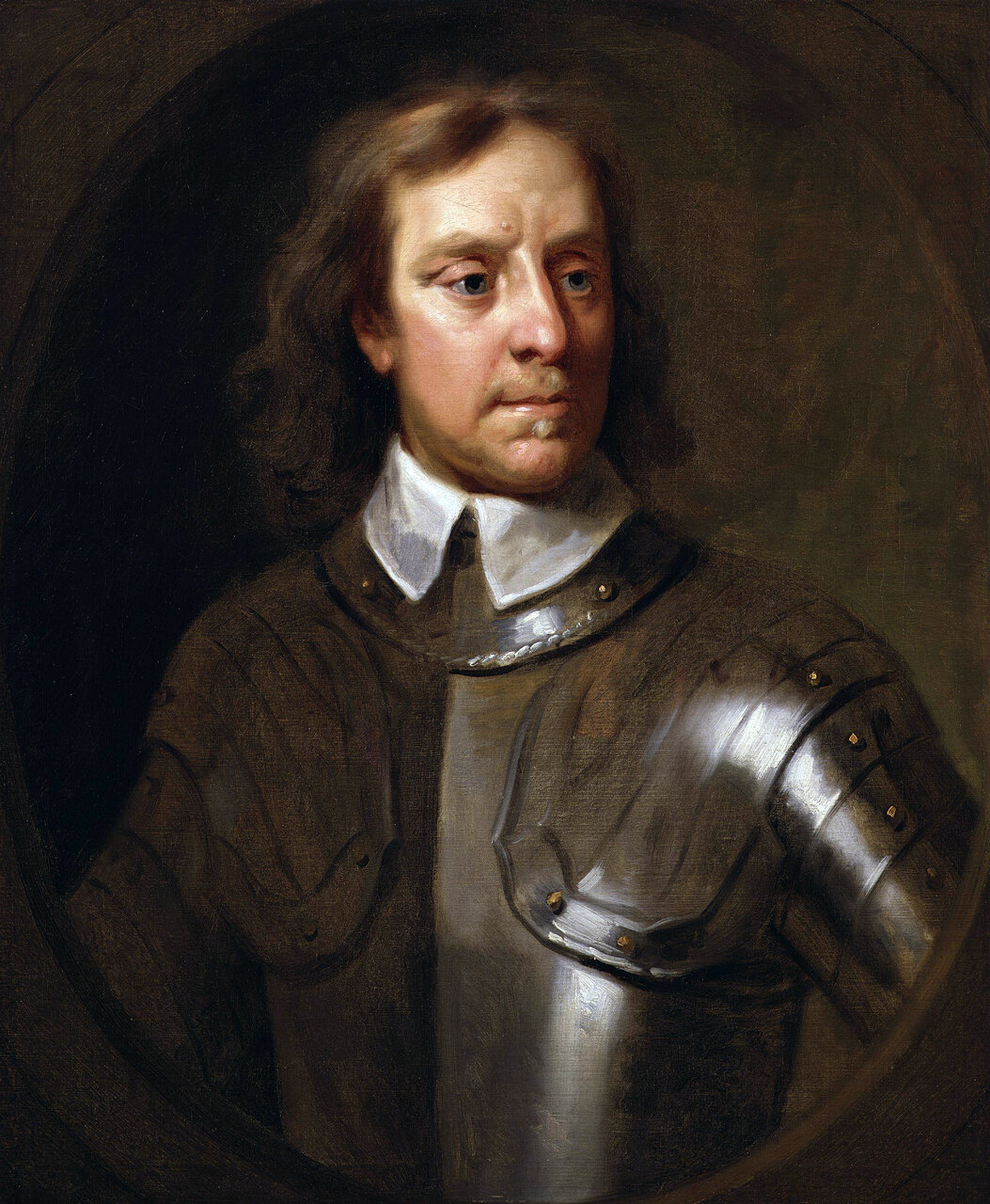
The English Civil War (1642-1651) grew from the breakdown of trust between Charles I and his Parliaments. Charles ruled eleven years without Parliament (1629-1640), raising money by disputed prerogative levies like ship money, while his archbishop, William Laud, imposed ceremonial conformity on the church. When Charles tried to force a new prayer book on Presbyterian Scotland, the Scots rebelled, occupied northern England, and forced him to call Parliament. The Long Parliament (1640) impeached his ministers, abolished prerogative courts, and, after the Irish Catholic revolt of 1641 raised the question of who could be trusted with an army, split between Royalists ('Cavaliers') and Parliamentarians ('Roundheads'). Charles raised his standard at Nottingham in August 1642.
The first war was indecisive until Parliament created the New Model Army (1645), a professional force under Fairfax and Cromwell that destroyed the king's main army at Naseby (1645). Charles surrendered to the Scots, who handed him to Parliament. His secret dealings, and a Scottish invasion on his behalf, provoked the Second Civil War (1648); Cromwell crushed it at Preston, and the army purged Parliament and tried the king. Charles I was executed on 30 January 1649 outside Whitehall, an event that shocked Europe. England was declared a republic, the Commonwealth, while Cromwell's army conquered Ireland, the storming of Drogheda and Wexford with their massacres, and crushed the Scots at Dunbar (1650) and Worcester (1651), where the future Charles II barely escaped.
The Commonwealth's experiments ended in military rule. Cromwell expelled the Rump Parliament in 1653, and after the failure of the Nominated Assembly he accepted the Instrument of Government, becoming Lord Protector. The Protectorate (1653-1658) governed through written constitution, major-generals and a tolerant Protestant church settlement, while Cromwell fought a successful war against Spain, taking Jamaica, and made England a respected power again. Yet the regime rested on the army and on Cromwell's person; Parliament and Protector repeatedly clashed, and republicans, Levellers and Fifth Monarchists all denounced him as a usurper.
Cromwell died in September 1658. His son Richard lasted months before the army deposed him, and in the chaos General George Monck marched from Scotland, restored the surviving members of the Long Parliament, and arranged free elections. In May 1660 Charles II was invited home and the monarchy restored, but the republican decade could not be undone: no English king ever again ruled without Parliament, the New Model's professionalism endured, and the memory of 1649 shaped the constitutional settlement of 1688-1689 and the later British state.
 Britannica: English Civil Wars
 World History Encyclopedia: English Civil Wars