 Go Back

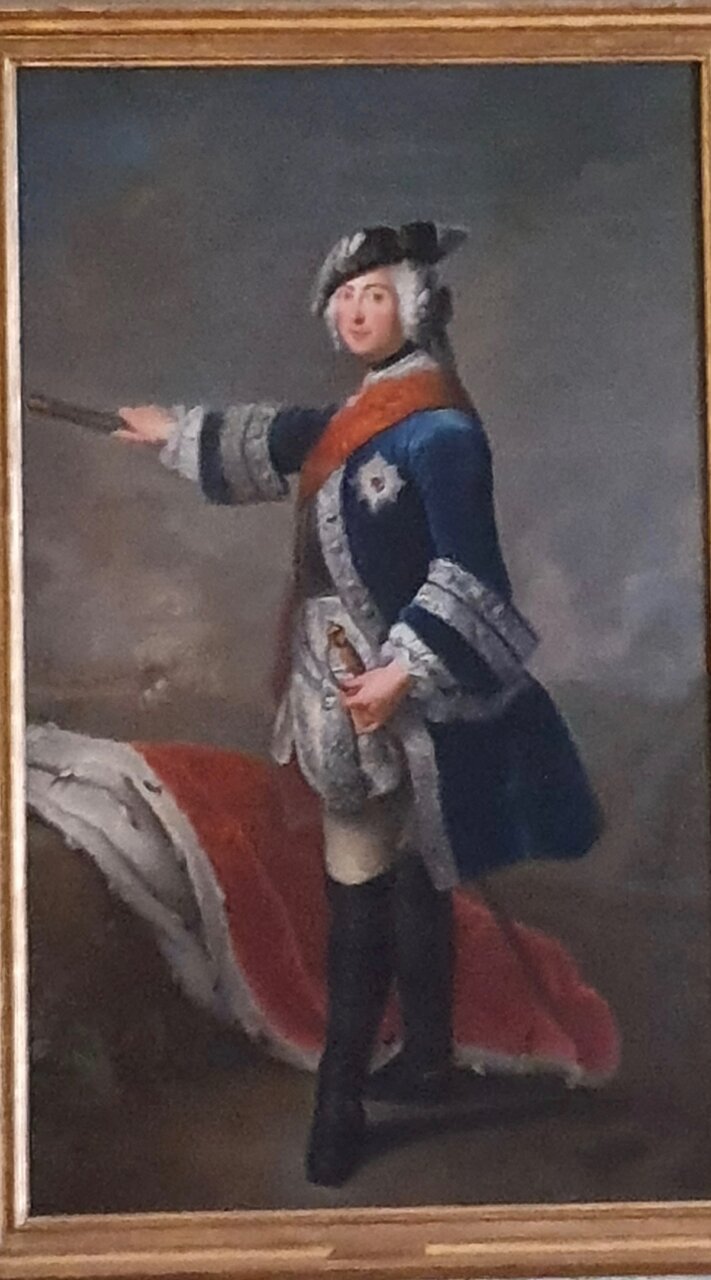
The Enlightenment was the eighteenth-century movement of reason that challenged the intellectual foundations of the old European order, and enlightened absolutism was the monarchs' attempt to use its tools without its conclusions. Its origins lay in the scientific revolution of the seventeenth century, Newton's ordered universe, and in the empiricism of Locke: if nature ran by discoverable laws and knowledge came from experience, then society, government, religion and law could be questioned and improved by reason rather than inherited by tradition. France was its heartland: Voltaire's campaigns against religious fanaticism and legal torture, Montesquieu's analysis of the separation of powers (1748), and the great Encyclopedie of Diderot and d'Alembert (1751-1772) spread critical thought through the reading public of salons, coffeehouses and clandestine print.
The philosophes attacked privilege, superstition and censorship, though few were democrats or atheists. Rousseau went furthest, arguing in The Social Contract (1762) that legitimate government rested on the general will, and his celebration of natural virtue made him the prophet of both romanticism and revolution. Beyond France, the movement took national colors: Hume and Adam Smith in Scotland, whose Wealth of Nations (1776) founded economics; Beccaria's On Crimes and Punishments (1764), which reformed European penal law; Kant in Prussia defining enlightenment as the courage to think for oneself. Everywhere the new public sphere of journals, academies, masonic lodges and lending libraries created opinion as a political force.
The absolute monarchs of Europe could not ignore the new ideas, and several adopted them, on their own terms. Frederick II of Prussia, flute-playing correspondent of Voltaire, abolished torture, decreed religious toleration, codified Prussian law and called himself the first servant of the state, while strengthening the army and the Junker monarchy. Catherine II of Russia corresponded with Diderot, drew on Montesquieu and Beccaria for her Nakaz (1767), bought libraries and founded schools, while extending serfdom to its widest reach and crushing Pugachev's revolt. Joseph II of Austria went furthest: thousands of decrees abolishing serfdom, dissolving monasteries, imposing toleration (1781) and Germanizing administration, a 'revolution from above' that provoked such resistance that his brother Leopold II had to undo much of it. Spain under Charles III, Portugal under Pombal, and Tuscany under Leopold also enacted 'enlightened' reforms.
The partnership of reason and power had its limits, and they were soon exposed. Enlightened absolutism accepted the ends of efficiency and toleration but never the means of self-government; when the American colonies applied Locke against the king (1776) and France applied Rousseau against the Bastille (1789), the monarchs abandoned the philosophes and embraced reaction. Yet the Enlightenment had changed the terms of European politics permanently: reason of state now had to speak the language of utility, rights and public opinion, and the age's reforms, legal codes, religious toleration, secular education, the critique of torture, survived the revolutions they helped to cause.
 Britannica: Enlightened despotism
 World History Encyclopedia: The Enlightenment
World History Encyclopedia: Reforms of Catherine the Great