 Go Back

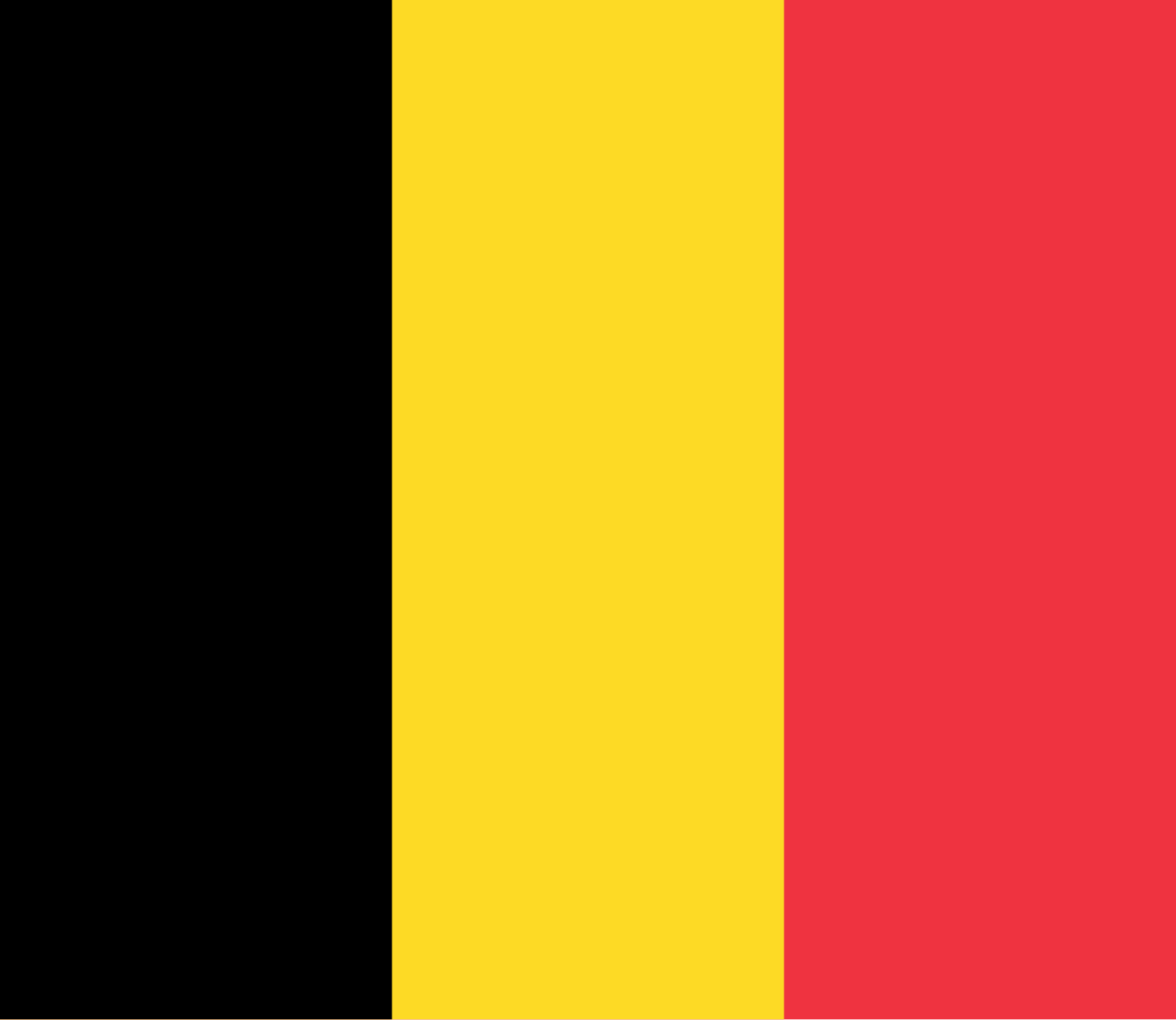
The Kingdom of Belgium. Belgium's lands were 'the battlefield of Europe' for centuries: part of the Burgundian Netherlands, then ruled by Habsburg Spain (1556-1714), the Austrian Habsburgs (1714-1794), and Revolutionary France (1794-1815), before the Congress of Vienna folded them into the United Kingdom of the Netherlands. The union failed fast: on 4 October 1830, after a revolution in Brussels, Belgium declared its independence.
The new kingdom installed Leopold I as king on 21 July 1831 - now Belgium's National Day - as a neutral, officially French-speaking constitutional monarchy, and then industrialized with astonishing speed: Belgium was the first country in continental Europe to industrialize, and its coal, steel, and railways made it one of the wealthiest small states in the world.
Under Leopold II the Berlin Conference of 1885 ceded the vast Congo Free State to the king as his private possession; the savage exploitation of the Congolese in the ivory and rubber trade became an international scandal - missionaries and consuls documented mutilations and mass death - and in 1908 the Belgian state took the colony over from its discredited owner. Then in August 1914 Germany invaded, and Belgium became the battlefield of Europe once more: nearly the whole country spent four years under occupation, while the Belgian army held a corner of Flanders behind the Yser and 'Brave Little Belgium' became an Allied watchword.
The war's end transformed Belgian politics: in 1919 universal male suffrage replaced the old plural vote, breaking the Catholic party's long dominance, and the Flemish movement's demands for Dutch-language equality could no longer be ignored. Reconstruction rebuilt the devastated west, Belgium joined France in occupying the Ruhr in 1923 to force reparations, and the kingdom emerged from the ordeal industrial, enriched by empire, and wary - a small country whose old neutrality had died in 1914.
 Britannica: Belgium
 Wikipedia: History of Belgium
Wikipedia: Timeline of Belgian history
Britannica: Revolutions of 1830