 Go Back

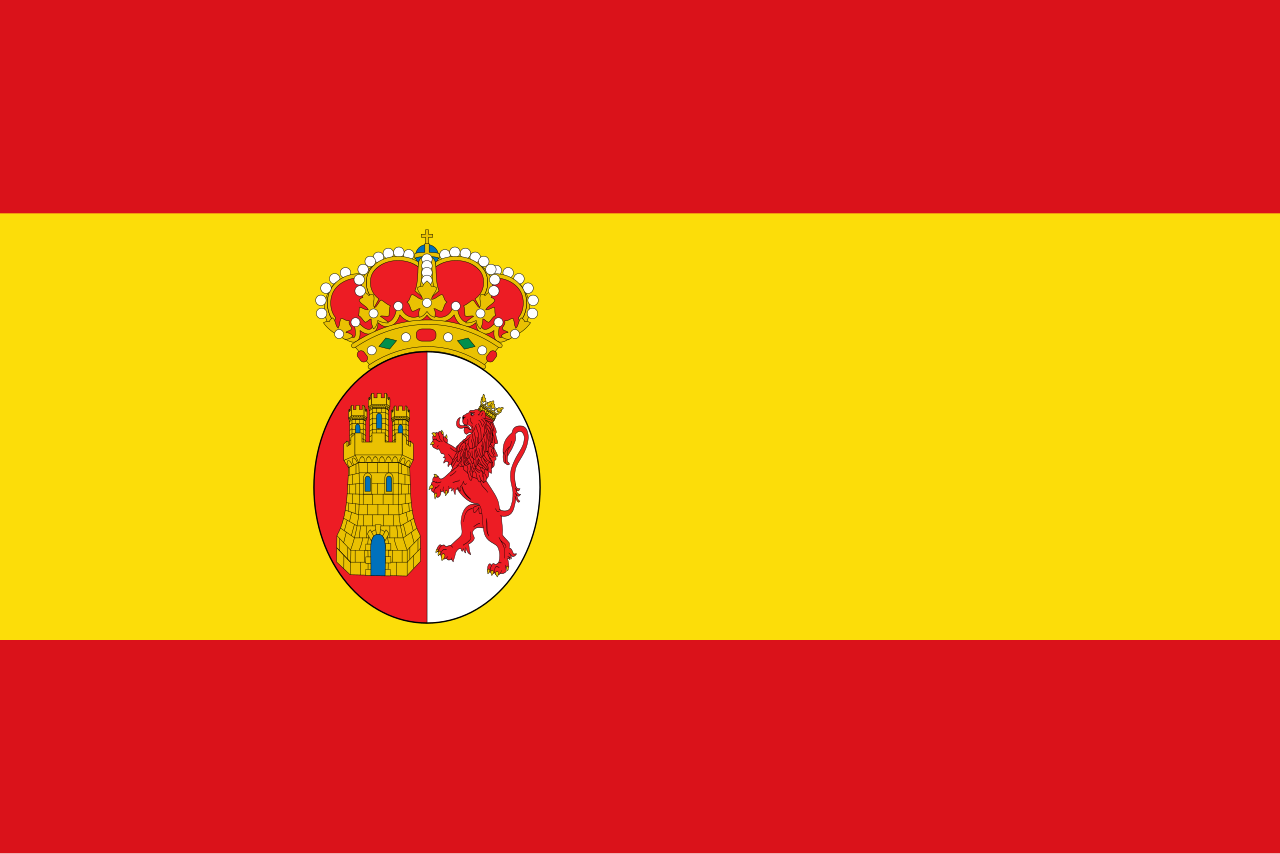
Spain was born in 1469, when the marriage of Isabella I of Castile and Ferdinand II of Aragon joined the two great crowns of Iberia. Each crown kept its own laws and parliaments, but together they were the makings of a great power. Then came 1492, the critical year of Spanish history: their armies conquered Granada, the last Muslim emirate in Spain, ending nearly eight centuries of Al-Andalus; the crown ordered the expulsion of Spain's Jews; and the monarchs sponsored Christopher Columbus's first voyage across the Atlantic. Within decades the conquistadors had built a Spanish colonial empire among the largest in history, and Spain was the superpower of the age.
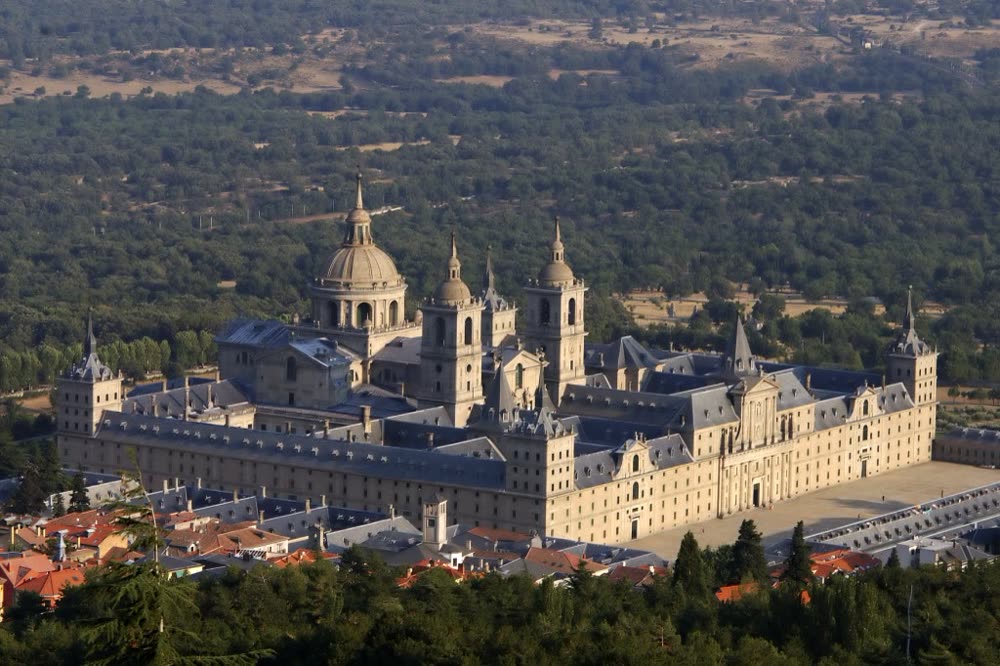
In 1516 the crowns passed to Charles I, a Habsburg who was also elected Holy Roman Emperor as Charles V, ruling the Netherlands, Austria, Naples, and the Americas besides Spain. He spent his reign at war with France and the Ottomans, and in 1556 he abdicated, dividing his inheritance: the empire went to his brother, Spain and the colonies to his son Philip II. Under Philip the monarchy reached its height - in 1580 he inherited Portugal and its empire too - and American silver flowed into Seville while Spanish arms won at Lepanto in 1571, the great naval victory over the Ottoman fleet. Philip governed from the vast palace-monastery of El Escorial outside Madrid, the stone emblem of his rule.
But the strain showed even at the peak. The state went bankrupt repeatedly - in 1557, 1560, 1575, and again in 1596 - because war outspent even the silver fleets. The Dutch provinces rose in revolt in 1568, and in 1588 the great Armada sent against England was destroyed. Spain remained the strongest power in Europe, yet each triumph cost more than the last.
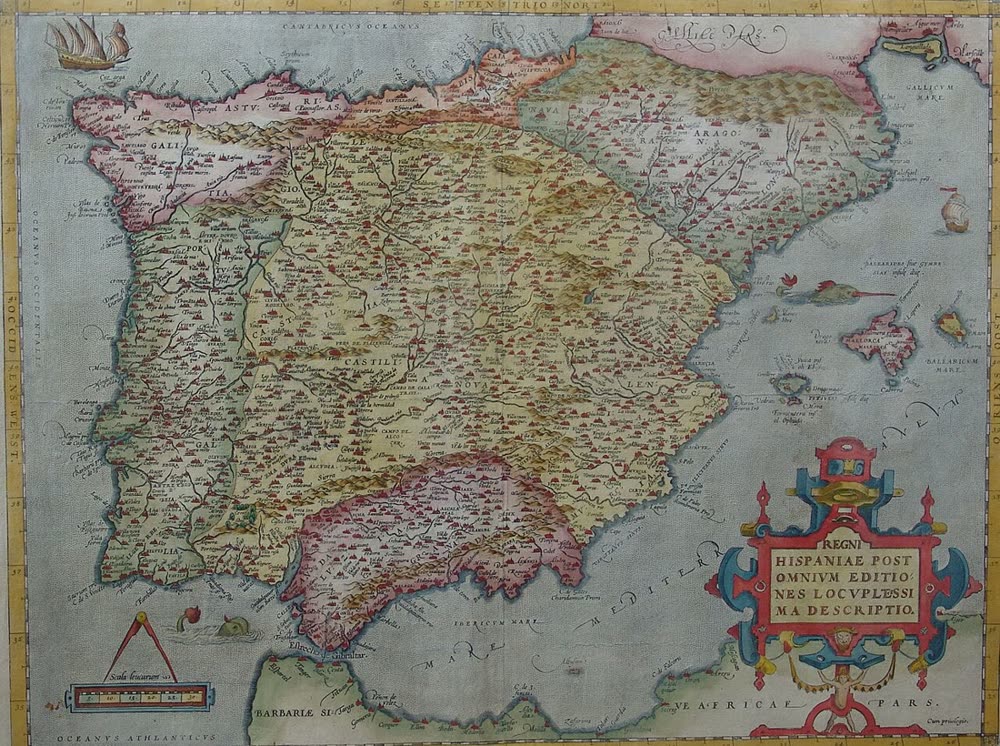
The seventeenth century ground Spain down. The war with the Dutch ended in 1648 with the independence of the northern Netherlands, the Thirty Years' War drained men and money, Portugal broke away in 1640, and France under Louis XIV replaced Spain as Europe's dominant power. When the last Spanish Habsburg, the sickly Charles II, died without an heir in 1700, Europe fought the War of the Spanish Succession over his throne. The victor was Philip V, grandson of the French king, and Spain became a Bourbon monarchy. Philip's Nueva Planta decrees fused the old crowns into a single centralized kingdom, and under Charles III later in the century reforming ministers briefly revived the state and its empire.
The nineteenth century brought collapse. Napoleon invaded in 1808, put his brother on the Spanish throne, and made the country a battleground of the Peninsular War. While Spain fought for its own independence, its American colonies fought for theirs, and by the 1820s nearly all of the mainland empire was gone. What followed at home was a tumultuous century of pronunciamientos, Carlist wars, and alternating liberal and conservative rule, ending in the Disaster of 1898, when the United States destroyed two Spanish fleets and took Cuba, Puerto Rico, and the Philippines - a humiliation that set off the national reckoning of the Generation of '98.
Under the Restoration settlement two dynastic parties rotated power while local bosses fixed the elections, but real conflicts kept breaking through the managed system: anarchism spread among the workers, Catalonia demanded autonomy, and the army bled in a grinding colonial war in Morocco. In 1921 a Spanish army was massacred at Annual, a disaster that destroyed the system's remaining credit. In September 1923, with the king's acquiescence, General Miguel Primo de Rivera seized power and dissolved the parliament, and Spain passed into military rule in the name of Alfonso XIII.
 Britannica: Spain - Reconquista, Inquisition, Monarchy
 Wikipedia: Habsburg Spain
Britannica: Philip II
Britannica: Spain