 Go Back

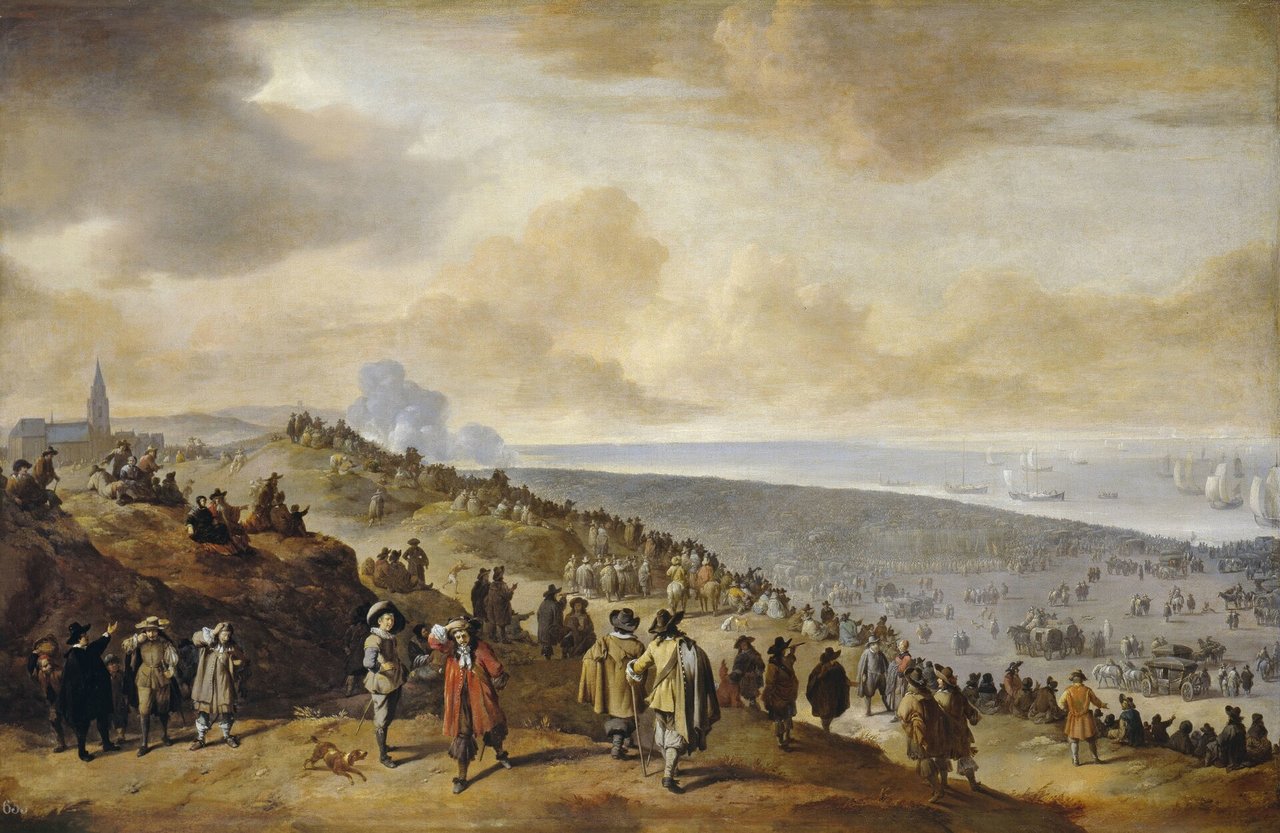
The Restoration. When Oliver Cromwell died in 1658, the republic he had built on the ruins of monarchy died with him. His son Richard could not hold it; the army and the Parliament tore at each other, and England, sick of soldiers and saints, remembered that it had once had a king. General George Monck marched his army down from Scotland, forced elections, and in April 1660 the new Convention Parliament received a letter from exile: the Declaration of Breda, in which Charles II promised pardon, religious liberty and payment of the army. On 29 May 1660, his thirtieth birthday, Charles entered London through crowds gone half-mad with joy. The monarchy was restored.
The Restoration was a settlement as much as a celebration. The Convention confirmed the land-purchases of the revolution years - the republic's buyers kept their acres - and punished only the regicides, the men who had signed his father's death warrant, exhuming Cromwell's corpse to hang it. But the restored Cavalier Parliament took its own revenge on the Puritans: the Clarendon Code drove dissenting clergy from their pulpits and meeting-houses, and the theaters reopened with a wit and license that made Restoration comedy a byword.
Charles II ruled twenty-five years by charm, cunning and French gold. His reign endured the Great Plague of 1665 and the Great Fire of London of 1666, the shock of the Dutch fleet burning his ships in the Medway, the fabricated terror of the Popish Plot, and the great constitutional fight of the Exclusion Crisis, when Parliament tried to bar his Catholic brother James from the throne and lost. Charles ruled his last four years without a parliament at all - and died, in 1685, received into the Catholic Church on his deathbed.
The Restoration settled the terms on which England would be governed: monarchy yes, absolutism no. Charles never forgot that his brother would lose the throne in three years for the sins his father had died for; when James II provoked his own overthrow in 1688, the kingdom removed him without a civil war. Merry, cynical, careful Charles had taught the monarchy how to survive in the world Parliament had made.
 Britannica: Charles II
Britannica: Restoration (1660)
Britannica: Great Fire of London