 Go Back

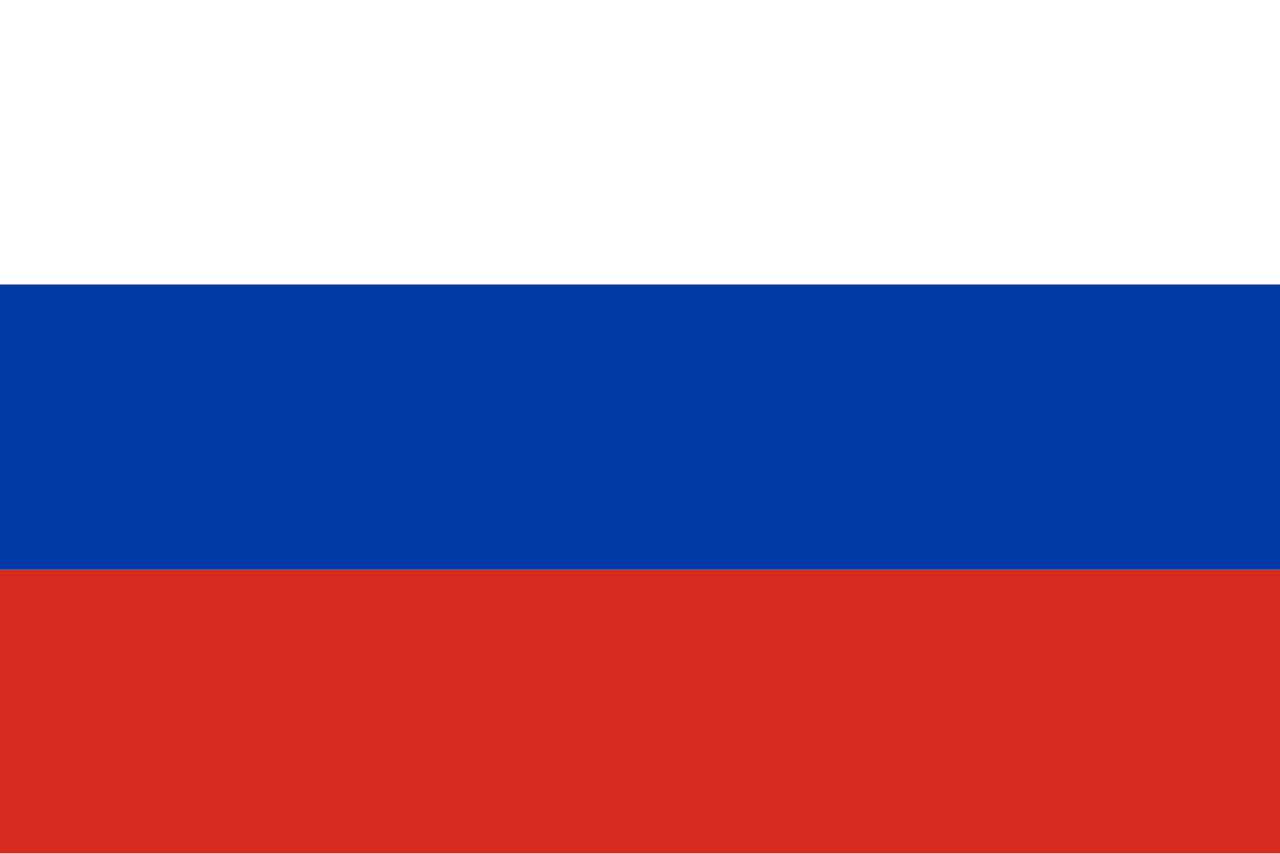
The Tsardom and Empire of Russia. The Russian Empire grew out of the tsardom that Ivan III had built from the Grand Duchy of Moscow - a centralized state independent of the Great Horde - and that his grandson Ivan IV elevated when he was crowned the first Russian tsar in 1547. The expansion was relentless: between 1550 and 1700, the Russian state grew by an average of 35,000 square kilometers a year, swallowing Siberia - drawn first by its furs - and reaching the Pacific. Under Ivan IV the conquest of the khanates of Kazan and Astrakhan began the transformation of an almost mono-ethnic realm into a multi-ethnic empire; after the Time of Troubles, the Romanov dynasty took the throne.
Peter the Great transformed the tsardom into the Russian Empire, proclaimed in 1721: he fought the wars that made Russia a major European power, moved the capital from Moscow to his new model city of Saint Petersburg, and forced a cultural revolution toward a modern, scientific, Western-oriented state. Catherine the Great (1762-1796) continued his modernization and expanded the empire by conquest, colonization, and diplomacy - including the partitions of Poland.
The 19th century made Russia the gendarme of Europe and exposed its weaknesses: Alexander I helped defeat Napoleon and formed the Holy Alliance, but defeat in the Crimean War (1853-1856) forced reform - above all Alexander II's emancipation of 23 million serfs in 1861. At its height the empire covered about 22.8 million square kilometers - roughly a sixth of the world's land, the third-largest empire in history - stretching from the Baltic to Alaska (colonized 1799-1867), with 126 million people by the 1897 census. Its literature, music, and science flourished even as its politics froze.
The end came fast: the Revolution of 1905 forced the October Manifesto and a semi-constitutional monarchy, but the strains of the First World War brought the empire down in 1917 under Nicholas II, the last tsar. The Revolution of 1905 forced Nicholas II to grant a national parliament, the State Duma, but ultimate power stayed with the tsar. Three centuries of Romanov rule ended in the revolutions of 1917, which toppled the dynasty and plunged the empire into civil war - leaving to its heirs the vast, multi-national inheritance the tsars had built.
 Britannica: Russia - Romanov, Muscovy, Tsardom
 World History Encyclopedia: Peter the Great
 BBC: BBC Four - Empire of the Tsars: Romanov Russia with Lucy Worsley, Series 1
 Wikipedia: Tsardom of Russia