 Go Back

The War of the Spanish Succession (1701-1714) decided who would inherit the vast empire of the last Spanish Habsburg, Charles II: Spain itself, the Spanish Netherlands, most of Italy, and colonies from the Caribbean to the Pacific. Charles died childless in 1700, leaving his crown by will to Philip of Anjou, grandson of Louis XIV of France. The Austrian Habsburgs claimed it for the Archduke Charles. Louis's acceptance for his grandson, and his provocations, recognizing the Stuart pretender, seizing the Spanish Netherlands' barrier fortresses, and monopolizing American trade, drove Britain, the Dutch Republic and Austria into the Grand Alliance, fearing a Bourbon super-state.
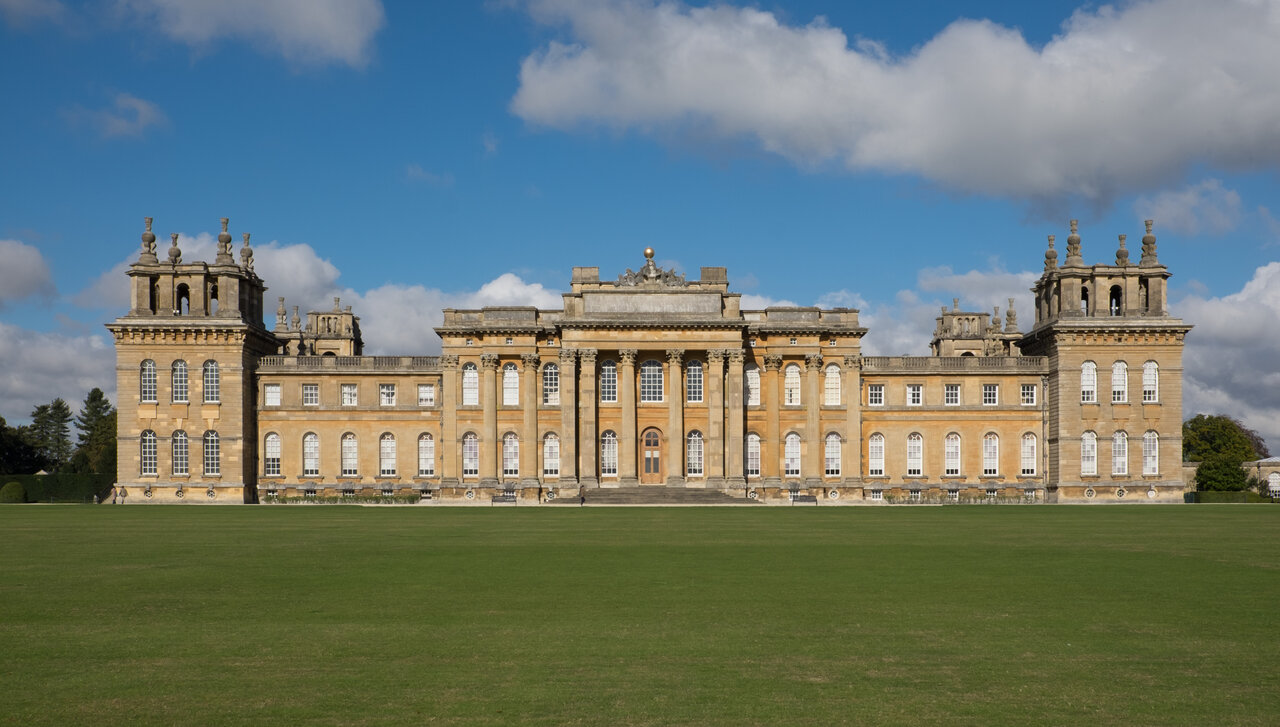
The war was fought on five fronts. In the Low Countries and Germany, the Duke of Marlborough won a string of victories unmatched in British military history: Blenheim (1704), which saved Vienna and destroyed the Franco-Bavarian army; Ramillies (1706), which conquered the Spanish Netherlands in a day; Oudenarde (1708); and the Pyrrhic Malplaquet (1709). In Spain the Allies landed the Archduke Charles as 'Charles III', twice took Madrid but could not hold it, and were broken at Almansa (1707) and Brihuega-Villaviciosa (1710), leaving Philip V master of the Spanish heartland. At sea, Britain took Gibraltar (1704) and Minorca (1708), and in the north the war merged with the Great Northern War's diplomacy.
Exhaustion, famine in France's terrible winter of 1709, and political change ended the war. In Britain the Tories, hostile to continental war, won power in 1710 and dismissed Marlborough; and when the Archduke Charles unexpectedly became Emperor Charles VI in 1711, British opinion refused to trade a Bourbon Spain for a Habsburg one. Britain negotiated separately, and the Treaties of Utrecht (1713) and Rastatt and Baden (1714) settled the peace: Philip V kept Spain and the Indies, renouncing the French succession for himself and his line; Austria took the Spanish Netherlands and most of Spanish Italy, with Sicily going to Savoy; Britain kept Gibraltar and Minorca and won the asiento, the contract to supply enslaved Africans to Spanish America.
Utrecht redrew Europe. The Spanish Empire was partitioned, the balance of power became the explicit principle of European diplomacy, and Britain emerged as the great naval and commercial winner. France was humbled but not broken, Austria gained a new Italian empire it could barely defend, and the Dutch barrier against France was entrenched. Spain, meanwhile, remained under the Bourbon dynasty Philip founded, which reformed the state along French lines and rules Spain to the present day, with interruptions.
 Britannica: War of the Spanish Succession
 World History Encyclopedia: War of the Spanish Succession