 Go Back

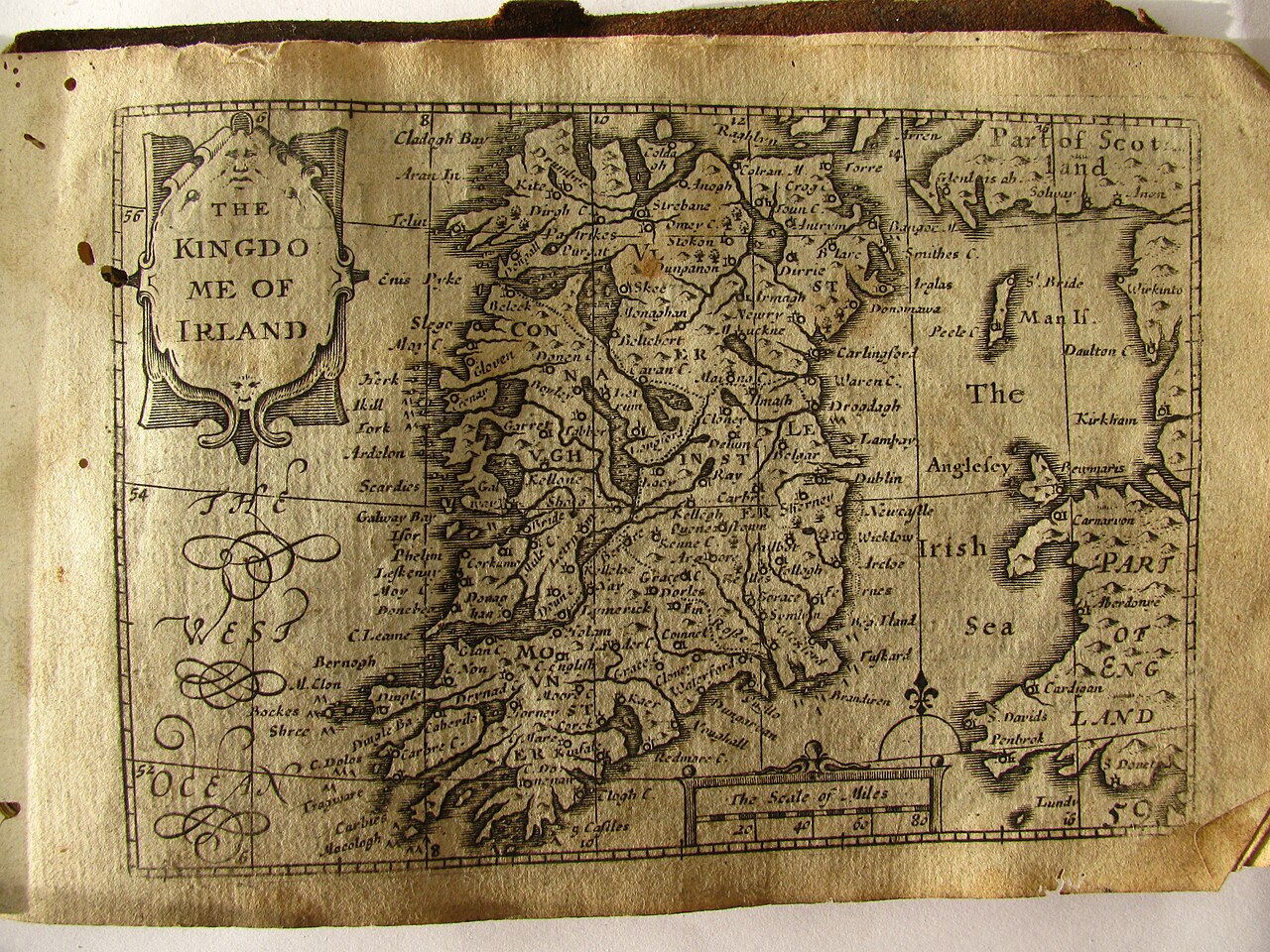
The Tudor Conquest of Ireland. Henry VIII began it with a legal revolution: in 1541 the Irish Parliament declared him King of Ireland, ending the medieval lordship and proclaiming that the whole island - Gaelic chiefs and old English lords alike - now owed obedience to one crown. The policy that followed, called surrender and regrant, asked the chiefs to give up their lands and titles and receive them back from the king as English earls and barons, holding by English law. For a while it worked: O'Neill became Earl of Tyrone, O'Brien Earl of Thomond, and the great houses of Gaelic Ireland took their seats in the Dublin parliament.
Beneath the conciliation ran a harder current. Where submission failed, the Tudors planted: loyal English settlers were planted on confiscated lands, beginning in Laois and Offaly in the 1550s, renamed King's County and Queen's County. Under Elizabeth the pace quickened. The long Desmond rebellion in Munster (1569-1583) ended in famine and mass confiscation, and the rebels' lands were granted to English undertakers - the Munster Plantation, whose settlers included the poet Edmund Spenser and the adventurer Walter Raleigh. Garrisons, martial law and the composition of Connacht pressed English government into every province.
The Gaelic world made its last stand in Ulster. Hugh O'Neill, Earl of Tyrone, and Hugh Roe O'Donnell raised the north in the Nine Years' War (1594-1603), destroyed an English army at the Yellow Ford, and brought a Spanish landing at Kinsale. Defeat there broke the rebellion, and though Tyrone submitted on terms, the old order was finished. England had at last conquered all of Ireland - at staggering cost in money and Irish lives.
The conquest was completed by law and settlement. English common law replaced the brehon law, the shiring of the whole island tied every acre to the crown's courts, and when Tyrone and the northern earls fled to the continent in 1607, their lands were confiscated for the Plantation of Ulster, the largest of all. The Tudor century in Ireland set the mold of everything after: confiscation, plantation, and a conquered land ruled from Dublin Castle for the English crown.
 Britannica: Ireland - The Tudor Conquest
Britannica: Hugh O'Neill, 2nd Earl of Tyrone