 Go Back

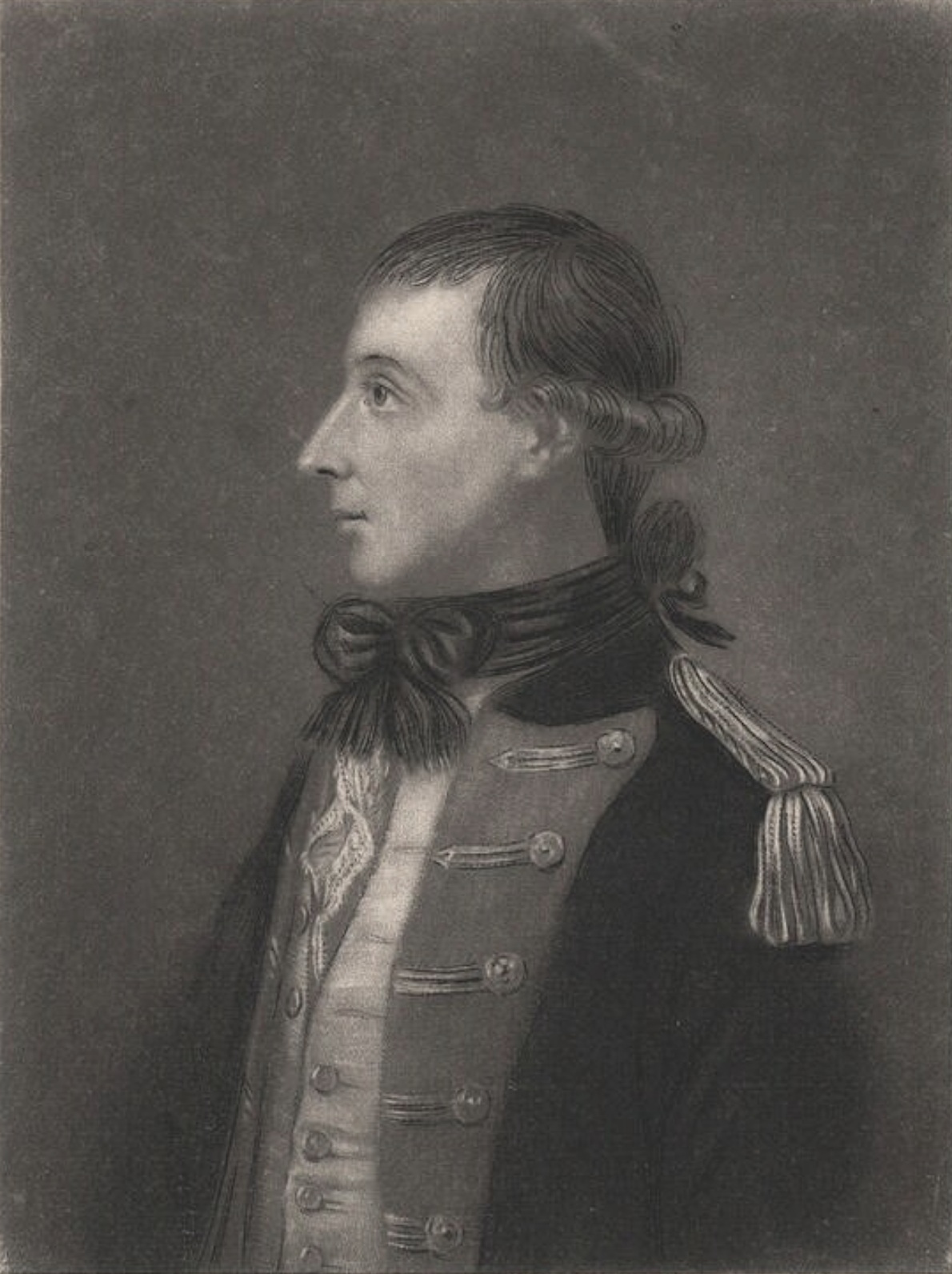
The United Irishmen. The French Revolution found its most devoted British and Irish disciples in Belfast, of all places, where in 1791 a young Dublin lawyer named Theobald Wolfe Tone founded the Society of United Irishmen with the Presbyterian radicals of the north. Their program was revolutionary and new: to unite Catholic, Protestant and Dissenter in one Irish nation, break the connection with England, and win a republic - by French arms if necessary. In an island defined by sect, the United Irishmen proposed to abolish sect itself.
The society swept the country, recruiting hundreds of thousands through oath-bound cells, its genius being to wed the politics of the French Revolution to the grievances of the Catholic countryside. Wolfe Tone went to Paris and talked the Directory into invasion; in December 1796 a French fleet carrying fifteen thousand troops reached Bantry Bay and was scattered by storms, within sight of the Irish coast. The government answered with terror: the disarming of Ulster, floggings, pitch-caps and house-burnings by the yeomanry broke the society's organization and drove it toward a premature rising.
The rebellion came in May 1798, after the government had swept up the Leinster leadership. Dublin, disarmed and leaderless, did not rise; but the countryside did. In Wexford the rebels won astonishing early victories, took Enniscorthy and Wexford town, and held the county for weeks until the great army converging on Vinegar Hill broke them on 21 June. In Ulster the Presbyterian risings at Antrim and Ballynahinch were crushed in days. A small French landing under General Humbert at Killala in August beat a British army at Castlebar - the Races of Castlebar - and surrendered a fortnight later. Wolfe Tone, taken with a second French squadron, cut his own throat rather than be hanged.
Perhaps thirty thousand died in a few months, rebels and loyalists and civilians, with sectarian massacre on both sides - Scullabogue and the Gibbet Rath among the stains. The rebellion's failure killed the Irish parliament: London bought the votes to abolish it, and the Act of Union followed in 1800. But the United Irishmen had founded the enduring tradition of Irish republicanism, and Tone - Protestant, revolutionary, separatist - became its founding father.
 Britannica: Irish Rebellion of 1798
Britannica: Wolfe Tone
Britannica: Society of United Irishmen